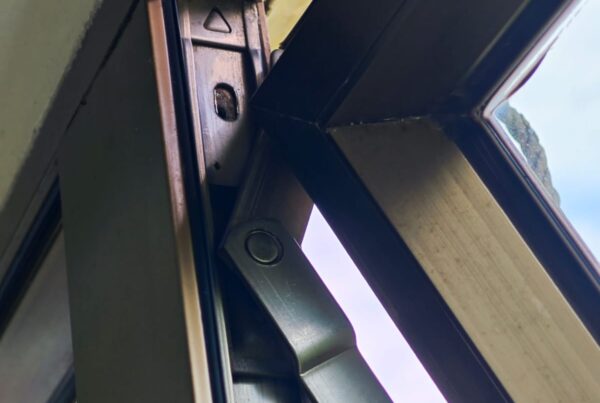

Since the implementation of the Mandatory Window Inspection Scheme (MWIS), many homeowners in Hong Kong’s older buildings have faced a difficult dilemma: they receive a statutory inspection order from the Buildings Department but find themselves unable to afford the repair costs due to financial constraints. In fact, a repair subsidy system has long been in place; however, complex application processes and fragmented information often cause eligible individuals in need to miss out on financial support. This article, curated by the engineering team at EJW, systematically organizes eligibility criteria, required documentation, and step-by-step application procedures based on real-world cases. This empowers homeowners to clearly grasp how to secure the necessary financial assistance for mandatory window inspections and subsequent repairs.
Table of Contents
- Policy Background of Subsidy Schemes
- Eligibility: Who Can Receive Subsidies for Persons in Need
- Complete Application Process
- Checklist of Required Documents
- Five Common Reasons for Application Rejection
- Comparison of Different Subsidy Channels
- Frequently Asked Questions
Executive Summary
| Key Insights | Description |
|---|---|
| Subsidies are not automatic | Homeowners must actively submit applications to the Urban Renewal Authority (URA); the Buildings Department does not automatically arrange subsidies. |
| Income and asset tests are core thresholds | Applicants must meet specified monthly household income and asset limits; both criteria must be met simultaneously for approval. |
| An inspection order is not a prerequisite | Properties do not necessarily need to have received a statutory inspection order before an application can be made. |
| Inspection reports must be issued by a QP | Only inspection reports issued by Registered Building Professionals or General Building Contractors recognized by the Buildings Department are accepted. |
| Repair cost caps vary by scheme | Each subsidy scheme offers different funding levels, often with a maximum subsidy cap per unit; costs exceeding this must be covered by the owner. |
| Limited application window | Failure to complete the application and repairs within the statutory deadline set by the Buildings Department may lead to prosecution, with fines up to HK$50,000. |
| Priority for elderly and disabled | Some schemes feature priority approval mechanisms; it is recommended that these applicants clearly indicate their status when submitting files. |
Policy Background of Window Inspection Subsidy Schemes
The Buildings Ordinance (Cap. 123) of Hong Kong stipulates that owners of private buildings aged 10 years or older must regularly arrange for a Qualified Person to inspect windows to ensure structural safety. However, the ordinance itself does not include an automatic financial support mechanism, and the substantial costs of inspection and repair are often borne solely by the owners.
To address the financial burden on owners of older buildings, the government, through organizations like the Urban Renewal Authority, has established several window inspection and repair subsidy and loan schemes to provide financial aid to those in need. These schemes are not directly managed by the Buildings Department, and the dispersed application channels are a frequent source of confusion for homeowners.
According to data from the Buildings Department, the MWIS covers tens of thousands of units across Hong Kong. A large portion of elderly owners living in buildings over 30 years old are often the demographic most in need of support. In practice, the EJW engineering team frequently encounters homeowners who are entirely unaware of these schemes, causing them to miss critical application windows.
Eligibility: Who Can Receive Subsidies for Persons in Need
The core conditions for applying for subsidies for persons in need revolve around three main factors: property type, applicant status, and household financial situation. All three must be met simultaneously.
Property Eligibility
The property must be a private residential building. Commercial or industrial buildings are not eligible. Properties must generally be 10 years old or older, with some schemes requiring a building age of 30 years or more. Applicants must be the legal owners and use the unit as their primary residence. Owners of multiple properties are typically disqualified, as these schemes aim to support owner-occupiers rather than investors.
Applicant Status Requirements
The following categories of owners are usually given priority: elderly owners aged 60 or above, recipients of Comprehensive Social Security Assistance (CSSA), holders of Disability Allowance, and low-income families recognized by the Social Welfare Department. Elderly living alone are the most common applicants. These individuals often require follow-up support from social workers, and it is recommended that they contact the Social Welfare Department or local elderly service centers early.
Income and Asset Limits
Subsidy schemes generally reference the government’s latest “Household Income and Asset Limits.” For schemes like the URA’s Building Maintenance Grant Scheme, an applicant’s monthly household income and total assets must not exceed the specified limits, and both conditions must be met. A common mistake is assuming that low income alone guarantees approval while ignoring asset assessment. EJW recommends that owners verify the latest limits with the relevant agencies before submitting an application.
Complete Application Process
Step 1: Confirm receipt of the statutory order
Ensure you have the original official notice from the Buildings Department. If not yet received, you may proactively inquire with the Buildings Department whether your property is covered under the MWIS.
Step 2: Choose the appropriate subsidy scheme
Primary channels include the URA’s “Building Maintenance Grant Scheme,” the Hong Kong Housing Society’s “Operation Building Bright,” and regional “Community Care Fund” projects. Eligibility and funding levels vary by district and property type.
Step 3: Engage a qualified contractor for inspection
Homeowners must engage a Building Department-recognized person to perform the inspection. EJW employs licensed personnel to conduct inspections and provide computerized reports that meet all application documentation requirements. Contrary to a common misconception, applying for a subsidy does not mean the funding body will automatically arrange the inspection; owners must arrange it first and obtain the report.
Step 4: Submit application forms and documents
Submit the completed application form along with all required documents. Ensure all items on the checklist are verified before submission to avoid delays.
Step 5: Await approval and arrange repairs
Agencies typically process approvals within 4 to 8 weeks. Once approved, some schemes appoint a contractor directly, while others provide funds for the owner to engage a contractor.
Tip: Record your application reference number and follow up periodically. The statutory deadline for the Buildings Department’s inspection notice does not automatically pause during subsidy processing; keep the Buildings Department informed of your pending application to avoid potential prosecution.
Checklist of Required Documents
Proof of Identity and Ownership
Applicants must provide verified copies of their Hong Kong Identity Card (both sides) and land search documents or property deeds to prove legal ownership. If a property has multiple owners, joint signatures are usually required.
Financial Documentation
Salaried employees must submit pay slips for the last 3 months. Self-employed individuals must provide tax returns or tax assessment notices from the Inland Revenue Department for the latest tax year. Retirees or those without fixed income must provide MPF statements or other documents reflecting their financial status. Asset documentation requires bank statements for all individual and joint accounts for the last 3 months.
Window Inspection Documentation
Must submit the original or verified copy of the Buildings Department’s statutory notice and the formal inspection report issued by a Qualified Person, detailing specific window issues, repair solutions, and estimated costs.
Other Supporting Documents
Recipients of CSSA must include the latest approval notice from the Social Welfare Department. Elderly applicants may provide a Senior Citizen Card as age proof. If appointing an agent, include a valid power of attorney and the agent’s ID copy.
Five Common Reasons for Application Rejection
1. Not a primary residence: Subsidies are for owner-occupiers only. Rentals are excluded.
2. Report not issued by a Qualified Person: Reports must be issued by BD-recognized building professionals or contractors.
3. Expired application window: Missing deadlines leads to immediate rejection.
4. Exceeding asset limits: Even with low income, exceeding total asset caps disqualifies the applicant.
5. Incomplete application: Missing fields or signatures on the application form.
Comparison of Subsidy Channels
| Subsidy Scheme | Main Agency | Target Audience and Focus |
|---|---|---|
| Building Maintenance Grant Scheme | Urban Renewal Authority (URA) | Eligible owners of private older buildings; covers windows, common areas, and exterior walls. Widely accessible. |
| Operation Building Bright | Hong Kong Housing Society (HKHS) | Targets older buildings in designated districts; income and asset tests required. Includes grants and low-interest loans. |
| Community Care Fund | CCF Secretariat (Referral by NGOs) | For low-income owners not fully covered by other schemes; acts as a supplementary fund. |
Frequently Asked Questions
Can the Owners’ Committee apply collectively?
Yes, some schemes accept collective applications, but individual owners must still meet the personal eligibility criteria.
Does applying for a subsidy extend the statutory deadline?
No. You must inform the Buildings Department in writing about your pending application to request flexibility, but the deadline is not automatically paused.
Can tenants apply on behalf of the owner?
No. Applicants must be the legal registered owners.
What if the inspection report shows no repairs are needed?
Subsidy schemes generally do not cover inspection fees unless specifically stated.
Can I appeal if rejected?
Yes. Review the rejection letter, correct the missing information, and submit a request for administrative review within the specified period.
Does the subsidy cover full window replacement?
Subject to the scheme’s maximum funding cap. Owners must cover costs exceeding the grant.
References
- Buildings Department: Statutory requirements and inspection notifications.
- Hong Kong Housing Society: Details on building maintenance subsidy schemes.
- Urban Renewal Authority: Application guidelines for building maintenance support schemes.
- Community Care Fund: Information on supplementary financial assistance for low-income individuals.
- Labour and Welfare Bureau: Overall framework for social security and support policies.