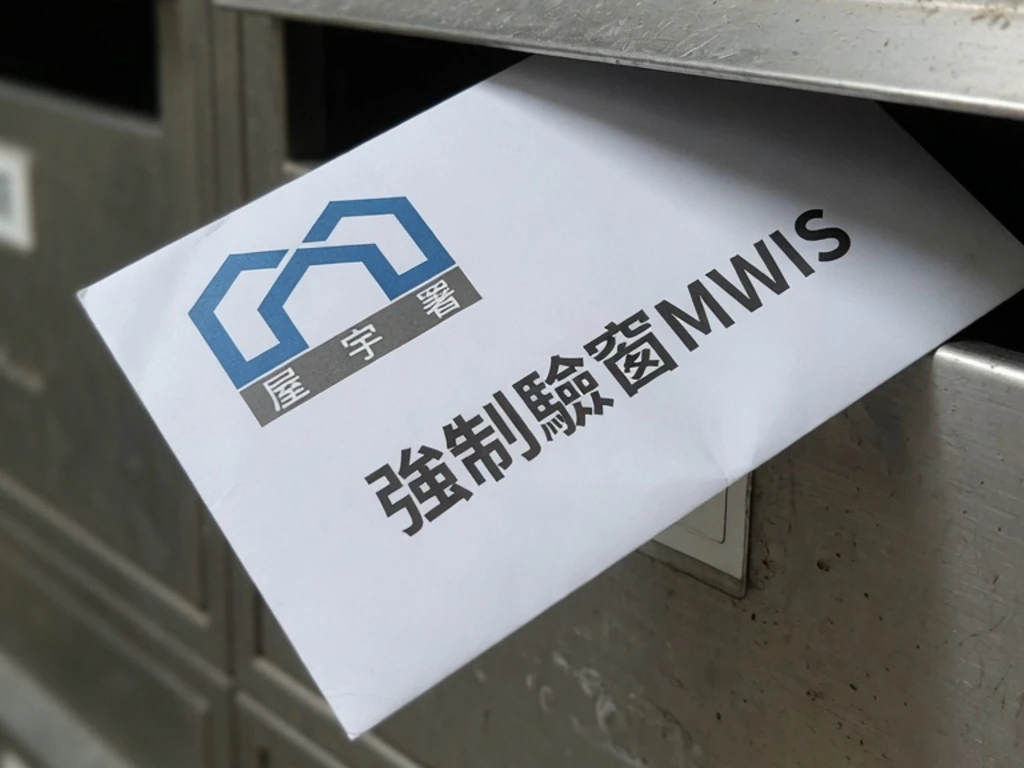
Every year in Hong Kong, thousands of property owners suddenly receive a letter bearing the “Buildings Department” logo, requiring them to complete mandatory window inspection within a specified deadline. Many owners’ first reaction is confusion: Is this Buildings Department Notice authentic? How much will it cost? What are the consequences of non-compliance? According to publicly available data from the Buildings Department, there are currently over 42,000 private buildings in Hong Kong aged 10 years or above that require regular mandatory window inspection, involving a large number of owners. This article, based on practical operational experience, systematically breaks down the correct response procedures after receiving a window inspection notice, helping owners avoid fines, prevent overcharging by unscrupulous contractors, and ensure window safety and compliance.
Table of Contents
- What is the Mandatory Window Inspection Scheme
- Legal Effect and Deadline of Window Inspection Notice
- Seven Response Steps After Receiving the Notice
- How to Select Qualified Window Inspection Contractors
- Window Inspection Fees and Common Charging Traps
- Detailed Explanation of Window Inspection Report and Repair Works
- Comparison of Different Window Inspection Options
- Frequently Asked Questions
Quick Key Summary
| Key Points | Description |
|---|---|
| Window inspection notice has legal effect | According to the Buildings Ordinance (Cap. 123), owners must complete the window inspection within the stipulated deadline, otherwise they may be prosecuted and fined. |
| Only licensed personnel may carry out the inspection | Personnel performing window inspection must be qualified persons recognized by the Buildings Department. Ordinary workers or unregistered companies do not meet the requirements. |
| Deadline is usually 60 days | Most statutory window inspection notices require owners to complete the inspection and submit the report within 60 days. Extension may be applied for in certain circumstances. |
| Repair is not always necessary | If the windows are in good condition after inspection, repair is not mandatory; remedial works are only required when safety issues are identified. |
| Requesting a computerized report is a safeguard | Reputable contractors should provide a detailed computerized window inspection report clearly stating the condition of each window. |
| Collective handling can reduce costs | Owners in the same building collectively engaging the same contractor can usually negotiate more reasonable overall quotations and share administrative costs. |
| Do not ignore the notice | Ignoring the Buildings Department notice may result in a maximum fine of HK$50,000 and additional daily fines. It must be taken seriously. |
What is the Mandatory Window Inspection Scheme
The Mandatory Window Inspection Scheme (MWIS) was officially implemented by the Buildings Department in 2012, authorized under the Buildings Ordinance (Cap. 123). The scheme targets private buildings aged 10 years or above, requiring owners to conduct window safety inspections every 5 years. The objective is to address multiple incidents of falling windows causing casualties in Hong Kong and systematically enhance the safety standards of window installations across the territory.
According to the Buildings Department’s implementation arrangements, the Department issues window inspection notices to specific buildings each year. Upon receiving the notice, owners must engage qualified persons or registered contractors to complete the inspection and submit the report for filing. The scheme covers various types of windows, including aluminium windows, steel windows, timber windows, and all external windows on private buildings.
It is worth noting that the Mandatory Window Inspection Scheme and the Mandatory Building Inspection Scheme are two separate schemes. Some owners may confuse the two. The window inspection scheme focuses specifically on windows and is carried out by licensed window inspection contractors or qualified persons; the building inspection scheme targets the external walls and common areas of the entire building and is handled by Authorized Persons. The notice letter received by owners will clearly indicate which scheme it belongs to. Please check carefully.
Legal Effect and Deadline of Window Inspection Notice
Many owners mistakenly think that the first Buildings Department notice they receive is merely a reminder letter that can be delayed. This is a costly misunderstanding. According to the Buildings Ordinance (Cap. 123), the window inspection notice issued by the Buildings Department is a statutory order with legal effect. Owners are required to complete the window inspection and submit the report within the specified deadline.
Generally, the statutory notice gives owners approximately 60 days to complete the window inspection. If owners are unable to complete it within the deadline due to special reasons, they may apply to the Buildings Department for an extension. The application must be submitted before the original deadline expires and must be supported by reasonable justification. In practice, if the owner has already engaged a contractor and can provide the relevant contract or letter of appointment, the success rate of the extension application will be higher.
The consequences of ignoring the notice or failing to complete the inspection on time are very serious. According to current legislation, non-compliant owners may be prosecuted. Upon conviction, the maximum fine is HK$50,000, plus an additional daily fine of HK$2,000 until the inspection is completed. In addition, the Buildings Department may appoint contractors to carry out the inspection and repair works, with the costs borne by the owners, often several times higher than if arranged by the owners themselves.
“Owners must understand that the Buildings Department window inspection notice is not a suggestion, but a legal order. Delaying handling will only complicate the issue and ultimately result in a higher cost.” — Principle of Enforcement
Seven Response Steps After Receiving the Notice
After receiving the Buildings Department window inspection notice, following the correct response procedures can help owners successfully meet the compliance requirements within a reasonable budget. The following seven steps are compiled based on practical experience. Each step serves a specific purpose and should not be skipped.
First Step: Verify the Authenticity and Scope of the Notice
First, check the building address, notice number, and deadline date on the letter. An official Buildings Department notice will specify the relevant statutory provisions and provide contact information for enquiries. Owners may call the Buildings Department hotline 1823 to verify the authenticity of the notice and avoid falling victim to scam letters impersonating the Buildings Department.
After confirming the notice is genuine, clarify whether it covers all windows in the entire building or only individual units. If it is a building-wide notice, the Owners’ Corporation or management company usually coordinates collective handling. Individual owners should contact the management committee to understand the collective arrangement.
Second Step: Understand the Number and Types of Your Windows
Before contacting contractors for quotations, owners should first count the number and types of external windows in their units, including aluminium windows, sliding windows, and iron windows. The number of windows directly affects the inspection fee. Knowing this in advance can prevent being misled during quotation. Also, note any obvious conditions such as rust, looseness, or water seepage to facilitate communication with the contractor.
Third Step: Obtain Quotations from Licensed Contractors
The quality of window inspection contractors in the market varies. Requesting quotations is a basic way to protect one’s own interests. When comparing quotations, in addition to the total price, confirm whether the quote includes the service of submitting the report to the Buildings Department and whether a computerized reporting system is used. Priority should be given to licensed qualifications, service transparency, and reputation, rather than simply choosing the lowest price.
Fourth Step: Verify the Contractor’s Recognized Qualifications
According to the Mandatory Window Inspection Scheme, personnel performing the inspection must be qualified persons recognized by the Buildings Department. Owners can check the list of qualified persons and contractors on the Buildings Department website to verify whether the company is registered. Reports completed by unqualified contractors will not be accepted by the Buildings Department, meaning owners would have wasted money and still failed to meet statutory requirements.
Fifth Step: Sign a Written Contract and Confirm Scope of Services
Before formal engagement, a written contract must be signed, clearly stating the scope of services, fees, completion date, and report submission arrangements. The contract should explicitly specify whether inspection fees and repair costs are calculated separately, as well as the charging standards for repair works. Verbal promises are difficult to prove in disputes. A written contract is an important protection for owners.
Sixth Step: Cooperate with the Contractor for On-site Inspection
When the inspection personnel visit, the owner or representative should be present and understand the entire inspection process. Qualified personnel will conduct a systematic check on each window, including window frames, hinges, locks, and fall prevention devices. Owners should proactively inquire about the inspection results for each window and whether any repair items are needed.
Seventh Step: Confirm Report Submission and Obtain Proof of Completion
After the inspection and any necessary repairs are completed, the contractor should be responsible for submitting the report to the Buildings Department. Owners should request submission confirmation documents or receipts and keep a complete copy of the window inspection report for future reference and the next inspection.
How to Select Qualified Window Inspection Contractors
Selecting a window inspection contractor is the most critical part of the entire process. The market has many unscrupulous operators who attract owners with low prices and then exaggerate problems after inspection to push unnecessary repairs. In practice, there are several reliable methods to identify qualified contractors.
Check the Buildings Department’s Register of Contractors
The Buildings Department maintains a register of recognized contractors on its official website, listing all companies and personnel authorized to carry out mandatory window inspection. Owners should check the register before engagement to ensure the selected company is legally qualified. This is the most basic verification step, yet it is overlooked by a significant proportion of owners.
After verifying qualifications, further review the company’s years of operation and past service records. Well-reputed contractors usually have positive recommendations in owner forums, neighbourhood groups, or from property management companies. EJW Window Safety, backed by its parent company Easy Job Solution Engineering Limited, possesses many years of aluminium window engineering experience and provides window inspection services that include detailed inspection protocols and computerized reports. It serves as an important reference standard for owners when selecting contractors.
Assess Whether the Report Quality Meets Standards
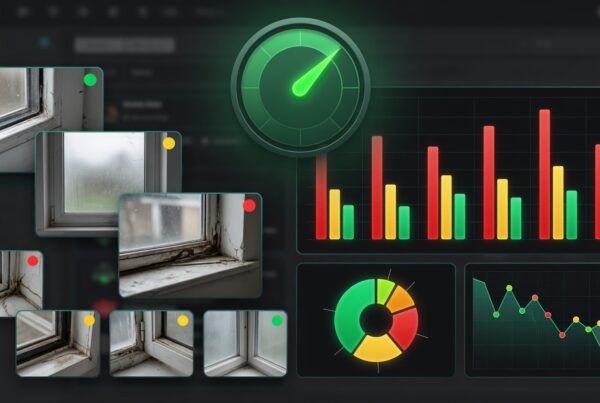
Qualified contractors should be able to provide computerized window inspection reports that record the inspection results, window numbers, condition ratings, and recommendations for each window in detail. Reports presented in chart format are easier to review than handwritten records and are more standardized for submission to the Buildings Department. If the contractor only provides a general summary report without individual window records, owners should request supplementary information or consider changing contractors.
Tip: Requesting sample window inspection reports from previous clients (with personal data redacted) and comparing the level of detail and format standards is an effective way to quickly assess the contractor’s professionalism.
Beware of “Free Window Inspection” Traps
Some contractors use “free window inspection” as bait to attract owners, only to exaggerate window problems afterwards and push expensive repair works. Proper window inspection requires time, equipment, and professional knowledge. Reasonable market charges should reflect these costs. Owners should remain vigilant against “free” or unusually low quotations and carefully review the repair terms and charging arrangements in the contract.
Window Inspection Fees and Common Charging Traps
Window inspection fees vary depending on building size, number of windows, and contractors. Owners without market reference can easily be overcharged. According to market rates, the window inspection fee for a typical private residential unit (excluding repairs) usually ranges from several hundred to over a thousand Hong Kong dollars, depending on the number and types of windows.
Repair costs depend on the actual problems found. Common repair items include replacing window hinges, locks, fall prevention devices, and sealing strips, which are relatively controllable in cost. If full window replacement or waterproofing works are required, costs will increase significantly. Owners should request written quotations from contractors before repairs and ask for explanations of the necessity of each item. Do not accept arrangements where works commence immediately after verbal explanation.
Common charging traps include: adding vague “additional works fees” clauses in contracts, exaggerating the extent of window damage to promote unnecessary full window replacement, replacing parts without the owner present and then informing the owner of the cost afterwards, and pressuring owners to approve repairs immediately by citing “Buildings Department requirements”. EJW Window Safety’s service principle is to charge owners only for necessary repairs and clearly indicate in the inspection report which issues require immediate attention and which are minor wear that can be monitored regularly. This transparency is a key criterion owners should evaluate when selecting contractors.
Tip: If the contractor asks the owner to sign a repair authorization letter and start works on the same day of inspection, the owner has the right to request a pause, obtain written repair recommendations, and then make a decision. Qualified contractors will not force owners to sign repair contracts on the spot citing tight deadlines.
Detailed Explanation of Window Inspection Report and Repair Works
The window inspection report is the core document of the entire EJW mandatory window inspection process. A compliant window inspection report should include the following: building address and unit number, inspection date, signature and registration number of the qualified person, and recommended repair items (if any).
Priority Order of Repair Works
Window inspection reports usually classify window conditions into different categories, such as “Immediate Danger”, “Repair Required”, and “Good Condition”. Windows rated as “Immediate Danger” must be handled as a priority and owners should not delay. Windows rated as “Repair Required” should be repaired within a reasonable time, and the repair plan should be stated when submitting the report to the Buildings Department.
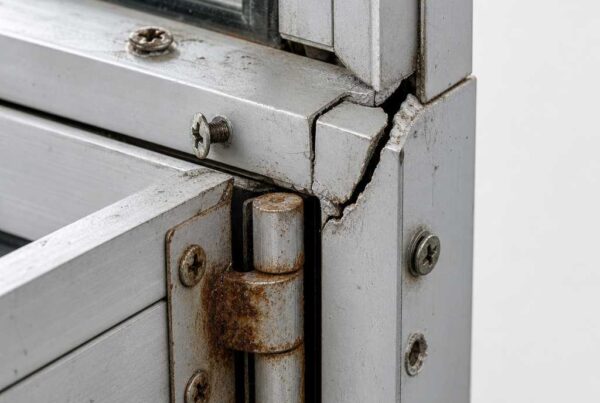
Common repair works include: replacing aged or damaged window hinges and locks, installing or replacing fall prevention devices, repairing window frame water seepage and aged sealant issues, and replacing severely damaged aluminium window parts. Only when the window frame itself is severely deformed or corroded should full window replacement be considered. Owners should understand the differences between various repair options and not easily accept the claim that “full window replacement is the only solution” unless the problem is truly too severe for partial repair.
Follow-up After Report Submission
After the contractor submits the report, the Buildings Department will update the window inspection records of the relevant building in the system. Owners may request the submission confirmation number from the contractor and verify the record update in the Buildings Department system. If another notice is received in 5 years, the previous inspection record will serve as a baseline to help track changes in window conditions.
Comparison of Different Window Inspection Options
When choosing window inspection arrangements, owners face several main options: engaging individual contractors themselves, collective arrangement through the Owners’ Corporation, or coordination by the property management company. Each option has its advantages and disadvantages and suits different situations. The comparison table below helps owners make appropriate choices based on their own circumstances.
| Comparison Item | Individual Owner Engagement | Owners’ Corporation Collective Arrangement | Property Management Company Coordination |
|---|---|---|---|
| Cost Control | Higher, lacks bargaining power | Lower, collective bargaining effect is obvious | Medium, depends on whether the management company has vested interests |
| Contractor Selection | Owner has high flexibility and autonomy | Decided by the corporation, individual owners have lower participation | Decided by the management company, owners have limited choice |
| Administrative Burden | Handled entirely by the owner, more cumbersome | Handled by the corporation, owners only need to cooperate | Management company handles most administrative matters |
| Report Transparency | Direct communication with contractor, high transparency | Depends on the corporation’s supervision capability | Need to proactively request individual unit reports |
| Suitable Situations | Independent buildings without owners’ corporation or management company | Large estates with established and cohesive owners’ corporations | Large estates fully managed by management companies |
In actual practice, collective arrangements are usually most beneficial to owners, as they can lower costs while ensuring service quality is collectively supervised. However, the prerequisite is that the Owners’ Corporation or management company maintains transparency in contractor selection and allows owners to review contract terms. If owners have concerns about the selected contractor in a collective arrangement, they may request to inspect the contractor’s Buildings Department recognized qualifications and insurance documents.
Frequently Asked Questions
How soon after receiving the window inspection notice must it be completed?
Under normal circumstances, the Buildings Department allows owners approximately 60 days to complete the window inspection and submit the report. If unable to complete within the deadline due to special reasons, owners must apply for an extension before the deadline expires and provide reasonable justification along with proof of contractor engagement. Approval is not guaranteed, so owners should not assume automatic extension.
Is the tenant or the owner responsible for arranging the window inspection?
According to the Buildings Ordinance, the legal responsibility for window inspection rests with the owner, regardless of whether the unit is occupied by a tenant. Even if the unit is tenanted, the owner remains responsible for arranging qualified personnel to carry out the inspection. Owners may negotiate access arrangements with tenants but cannot transfer the responsibility to them.
Is any fee required if no repair is needed after inspection?
Yes. Even if the inspection results show all windows are in good condition and no repair is needed, owners still need to pay the inspection service fee. The inspection fee covers the professional checking and report submission by qualified personnel and is unrelated to whether repairs are required. This is why owners should understand the quotation structure in advance and ensure inspection fees and repair costs are calculated separately.
Does the window inspection notice only apply to private buildings? Are public housing owners affected?
The Mandatory Window Inspection Scheme mainly targets private buildings aged 10 years or above. Public housing estates are managed and maintained by the Housing Department and are generally not subject to the same scheme. However, if owners have purchased Home Ownership Scheme flats or other hybrid public-private units, it depends on the specific circumstances. It is advisable to inquire with the Buildings Department regarding the applicable regulations for the building.
Is the window inspection report submitted by the contractor or by the owner?
Under standard arrangements, the window inspection report is submitted to the Buildings Department by the qualified person or their contractor on behalf of the owner. Owners do not need to submit it themselves. However, owners should confirm that the contractor has completed the submission and request confirmation documents. Some contractors will provide the Buildings Department confirmation number after submission for owners to verify the record.
Are old-style steel windows also subject to the Mandatory Window Inspection Scheme?
Yes. The Mandatory Window Inspection Scheme covers all types of external windows, including aluminium and steel windows. Steel windows are prone to rust and aging, often presenting more safety issues than aluminium windows, requiring more careful inspection. Some old steel windows may still fail to meet safety standards after repair and may need replacement with aluminium windows. Owners should understand the related costs and arrangements in advance.
References
- Hong Kong Buildings Department Official Website – Provides detailed regulations on the Mandatory Window Inspection Scheme and register of recognized contractors
- Hong Kong e-Legislation – Full text of the Buildings Ordinance (Cap. 123) can be viewed here
- Hong Kong Economic Times – In-depth reporting and analysis on local building management and property regulations
- Hong Kong Consumer Council – Consumer guidelines on selecting building works contractors and complaint case references
- Hong Kong Government One-stop Portal – Provides public information on building safety regulations and contact methods for relevant departments