In recent years, as Hong Kong’s buildings continue to age, the problem of deteriorating old iron windows has become increasingly serious. More and more homeowners are considering replacing iron windows with aluminum windows. However, most people still feel lost after receiving related information or quotations, and may even hesitate due to concerns about costs or construction hassles. In fact, long-term corrosion of iron windows not only affects safety but can also lead to water seepage, noise issues, and reduced air-conditioning efficiency. According to the Buildings Ordinance (Cap. 123) and the Buildings Department safety guidelines, failure to properly address old window hazards may result in safety liability or enforcement actions against the owner. Based on practical experience, this article provides a step-by-step guide for Hong Kong homeowners on the benefits, complete procedures, cost details, and pitfall avoidance strategies for iron-to-aluminum window replacement, enabling you to make informed decisions to enhance home safety and comfort while avoiding excessive charges.
Table of Contents
- Quick Overview
- What is Iron-to-Aluminum Window Replacement? Understanding the Background
- Considering Replacement After Receiving Inspection Notice: Do Not Delay
- How to Choose Qualified Persons for Iron-to-Aluminum Window Replacement
- Detailed Iron-to-Aluminum Window Replacement Procedures: From Inspection to Project Completion
- Costs and Common Charging Pitfalls
- Iron Window Repair vs Aluminum Replacement Comparison
- Frequently Asked Questions
- References
Quick Overview
| Key Points | Description |
|---|---|
| Reasons for Replacement | Problems such as rusting, aging parts, water seepage, and poor operation of old iron windows affecting safety and living quality |
| Main Benefits | Durable and rust-resistant, sound and heat insulation, improved appearance, smooth operation, and increased property value |
| Who Must Execute | Must engage “Qualified Persons” (QP) registered with the Buildings Department, including registered architects, engineers, or approved contractors |
| Project Duration | Typically 4 to 5 working days for a standard residential unit; most residents do not need to move out |
| Compliance Requirements | Formal submission, adequate insurance coverage, and submission of confirmation documents to the Buildings Department |
| Biggest Risk | Engaging unlicensed or low-cost companies may lead to water seepage, structural issues, and frequent future repairs |
| Owner Responsibility | Regardless of public or private housing, the costs and compliance responsibility for window replacement mainly lie with the owner |
What is Iron-to-Aluminum Window Replacement? Understanding the Background
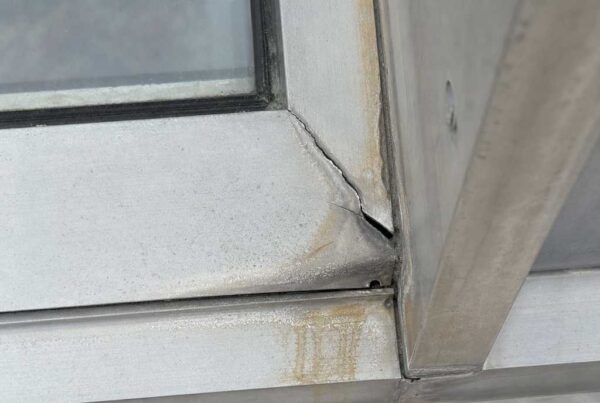
After decades of use, old iron windows are prone to rust, loose hinges, damaged hardware, and seal failure. Iron-to-aluminum window replacement involves safely removing the existing iron windows and installing high-quality aluminum alloy windows that meet current standards. This not only resolves safety hazards but also significantly improves the living environment. The Buildings Department’s Mandatory Window Inspection Scheme often serves as a catalyst for homeowners to consider a full replacement.
Many owners mistakenly believe that simple repairs to iron windows are sufficient. However, practical experience shows that repairs on severely corroded iron windows have limited effectiveness and will eventually require replacement. A professional approach involves objective assessment by qualified persons to determine the most suitable solution, rather than immediately pushing for full replacement upon seeing old windows.
“Early replacement of aging windows can effectively reduce the risk of falling objects from height and protect public safety.” – Buildings Department relevant guidelines
Considering Replacement After Receiving Inspection Notice: Do Not Delay
Receiving a window inspection notice from the Buildings Department is the best time to consider iron-to-aluminum window replacement. Delaying will only worsen the problems and increase future project difficulty and costs.
First Step: Carefully Read the Notice Content
Confirm the deadline, consequences of non-compliance, take photos for records, and note the reference number. If the building has a management office, contact them immediately to discuss coordinated arrangements.
Second Step: Assess the Condition of Existing Iron Windows
Homeowners may conduct a preliminary check on the degree of rust, operation, and signs of water seepage as reference for professional inspection.
Tip: Act promptly after receiving the notice and reserve sufficient time for inspection, quotation comparison, and project arrangement.
How to Choose Qualified Persons for Iron-to-Aluminum Window Replacement
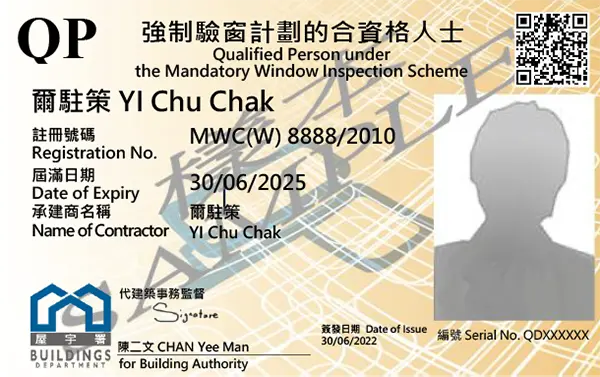
According to Buildings Department regulations, all window replacement works must be carried out by registered Qualified Persons. Owners can verify qualifications through the official Buildings Department register.
How to Verify Qualifications
Request the company to provide their Buildings Department registration number and verify it online. Reputable companies will proactively provide the relevant information.
Key Points to Note When Comparing Quotations
In addition to the total price, pay attention to whether the quotation includes removal and disposal, waterproofing treatment, high-quality hardware, insurance, and maintenance period. Avoid low-price attractions followed by hidden charges.
Tip: Obtain written quotations from at least three licensed companies and request detailed material specifications and Qualified Person information.
Detailed Iron-to-Aluminum Window Replacement Procedures: From Inspection to Project Completion
Step 1: Window Inspection and Measurement
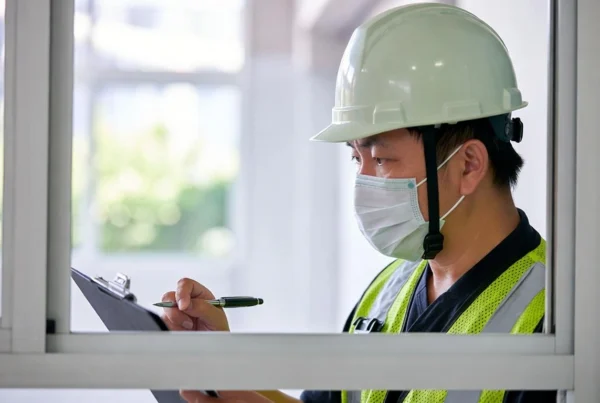
Qualified persons will visit to thoroughly inspect all windows, assess structural conditions, take precise measurements, and document issues with photos. They will also evaluate scaffolding needs and safety risks.
Step 2: Assessment and Quotation
Based on inspection results, provide detailed recommendations and itemized quotations, clearly listing the windows to be replaced and the scope of works.
Step 3: Project Preparation
Formally submit notifications to the Buildings Department or building management, purchase high-value third-party liability insurance (recommended HK$20 million or above), and arrange safety measures.
Step 4: Removal and Installation Works
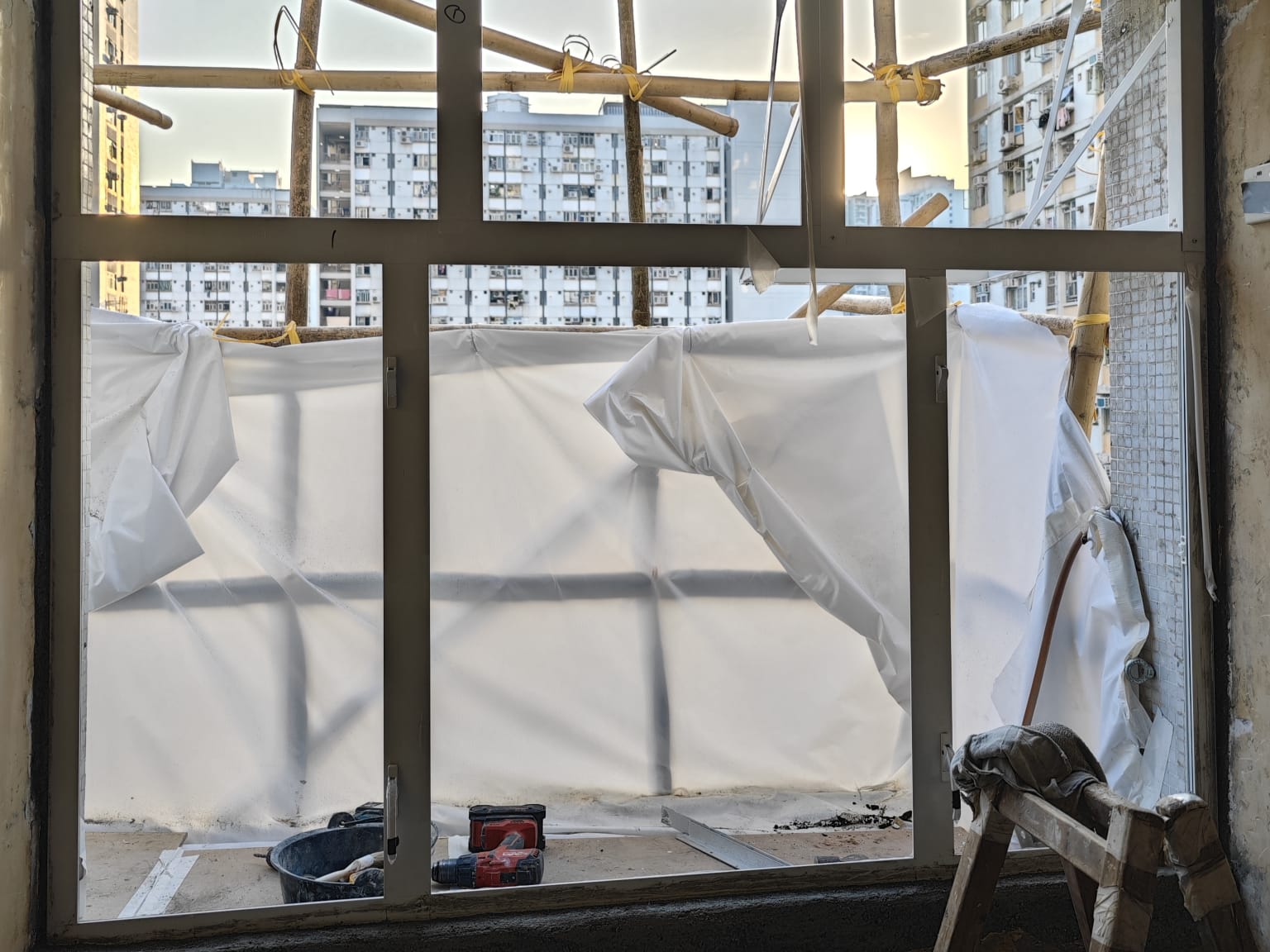
Safely remove old iron windows, clear waste materials, install new aluminum windows, apply deep waterproofing treatment (using high-quality waterproof membranes and sealants), and install 304 stainless steel hardware. The entire process emphasizes protection of indoor furniture and environmental cleanliness.
Step 5: Inspection and Submission of Documents
Upon completion, Qualified Persons will re-inspect to confirm compliance with standards and formally submit reports to the relevant departments. Owners should obtain full copies for records.
Costs and Common Charging Pitfalls
The cost of iron-to-aluminum window replacement depends on unit size, number of windows, floor level, and whether scaffolding is required. Homeowners should be most vigilant against “low initial price with later increases” or “aggressive pushing of unnecessary full replacements.”
Methods to Identify Unreasonable Charges
Request detailed itemized quotations and material specifications. If a company refuses to provide detailed reports or only gives verbal suggestions, treat it as a warning sign.
EJW is committed to conducting assessments based on actual inspection results and only performing necessary works. We offer transparent pricing, all-inclusive removal and disposal costs, and up to 5 years of extended free maintenance service, striving to protect homeowners’ interests with a transparent and professional approach.
Tip: If you have doubts about a quotation, seek a second opinion. The additional cost is often far lower than the loss from unnecessary works.
Iron Window Repair vs Aluminum Replacement Comparison
| Approach | Main Advantages | Main Risks and Limitations |
|---|---|---|
| Partial Iron Window Repair | Lower short-term cost and faster completion | Problems easily recur, leading to frequent long-term repairs |
| Iron-to-Aluminum Replacement | One-time solution, durable and aesthetically pleasing, improved living quality | Higher initial investment, but more cost-effective in the long run |
| Ignore the Issue | No immediate action required in the short term | High safety risks, potential fines or enforcement actions |
Frequently Asked Questions
How Long Does Iron-to-Aluminum Window Replacement Take?
For a typical residential unit, the process from inspection to completion usually takes several weeks to one month, depending on project scale and weather conditions.
Do Residents Need to Move Out During the Works?
In most cases, there is no need to move out. Works can be carried out in stages or by rooms to minimize disruption.
What Maintenance is Required After Aluminum Window Replacement?
Regularly clean window tracks and hardware, and contact the maintenance team promptly if any issues arise.
Is Scaffolding Required for High-Rise Units?
It depends on the floor level and building regulations. Reputable companies will handle safe scaffolding and related submissions.
Does the Quotation Include Removal and Disposal of Old Windows?
Professional quotations are fully inclusive with transparent pricing, covering removal, waste disposal, and final cleaning with no hidden fees.
How to Ensure the New Windows Have Good Waterproofing Performance?
Proper works use professional waterproof membranes, multi-layer sealants, and correct installation techniques to effectively prevent water seepage.