Many residential buildings in Hong Kong have aluminum windows that have been in use for over ten years. When window glass develops cracks, becomes foggy, or leaks, owners are often unsure whether to repair or replace them. In fact, misjudging the timing for aluminum window glass replacement can result in wasted money at best, and safety hazards at worst. According to the requirements of the Buildings Department’s Mandatory Window Inspection Scheme (MWIS), private buildings aged ten years or older must undergo regular inspections, with glass condition being a key assessment point. This article provides a practical perspective, analyzing in detail when glass replacement is necessary, how costs are calculated, and the critical considerations throughout the process to assist owners in making informed decisions.
Table of Contents
- Quick Summary
- Common Causes of Aluminum Window Glass Damage
- Six Warning Signs Requiring Immediate Glass Replacement
- Detailed Breakdown of Glass Replacement Costs
- Comparison of Glass Types
- Construction Considerations for Glass Replacement
- Relationship Between Mandatory Window Inspection and Glass Replacement
- Frequently Asked Questions
Quick Summary
| Key Point | Explanation |
|---|---|
| Cracks do not always mean replacement | Minor edge cracks may be handled temporarily depending on the location, but through-cracks must be replaced immediately without delay. |
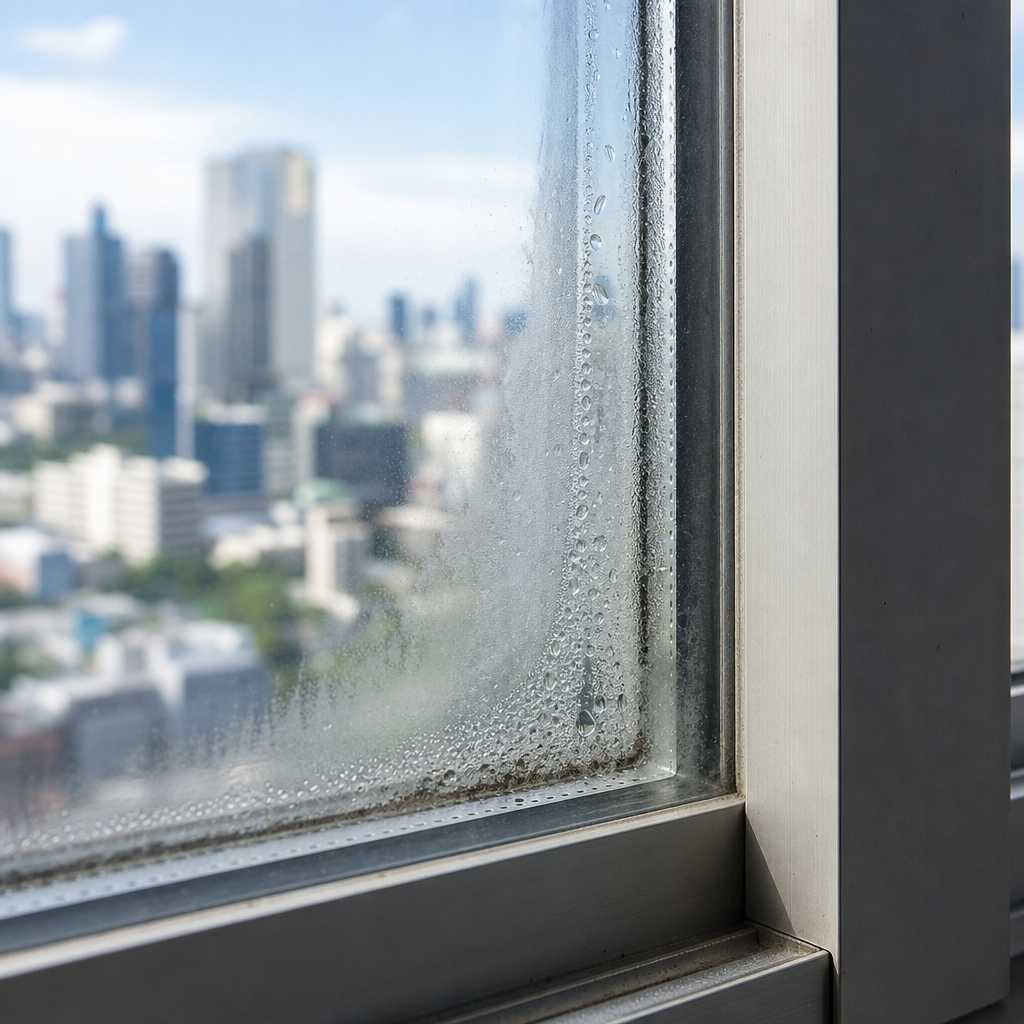
| Fogging is a sign of sealed unit failure | Internal fogging in double-glazed units indicates a broken seal, resulting in total loss of acoustic and thermal insulation; the unit must be replaced. |
| Costs vary by size and type | In Hong Kong, the cost for replacing standard single-pane glass ranges from HK$1000 to HK$2000, while tempered or insulating glass costs more. |
| Mandatory inspections may trigger replacement | If safety hazards are identified by a Qualified Person during a Mandatory Window Inspection, owners must repair or replace windows according to the report. |
| Self-replacement poses risks | High-rise glass replacement involves working at height and must be performed by a licensed contractor; owners should not attempt this themselves. |
| Glass thickness affects structural safety | Replacements must adhere to original design specifications; lowering standards to save costs is strictly prohibited. |
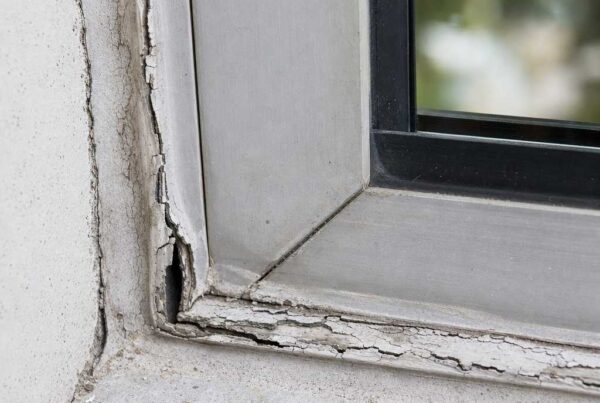
| Sealant replacement is essential | It is recommended to replace window frame sealants simultaneously during glass replacement; otherwise, leakage may persist, which is a common oversight. |
Common Causes of Aluminum Window Glass Damage
In practical experience, the most common cause of damage to aluminum window glass in Hong Kong residences is not accidental impact, but stress fatigue caused by long-term thermal expansion and contraction. Combined with Hong Kong’s seasonal temperature fluctuations and high-rise wind loads, the gaskets between the glass and the frame are subject to prolonged pressure, leading to micro-cracks or de-bonding over time. This is particularly prevalent in buildings over ten years old.
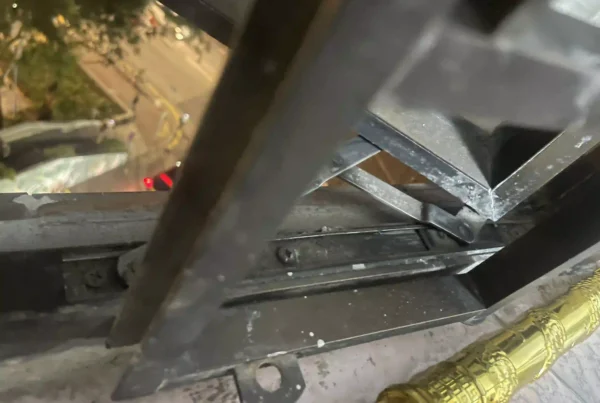
Another major cause is the incorrect positioning of setting blocks during installation. If the load-bearing blocks at the bottom of the glass are incorrectly placed, the glass experiences uneven stress, making it prone to corner cracking, especially during typhoon season. These are hidden risks that are difficult for owners to detect and require professional judgment during window inspections.
Solar radiation is also a factor that cannot be ignored. Under intense direct sunlight in the Hong Kong summer, the surface temperature of standard single-pane glass can exceed 60 degrees Celsius. If the glass is near an air conditioning vent, the localized thermal shock can significantly reduce the glass’s structural integrity, making it susceptible to rupture during strong winds.
Tip: Owners can perform a visual check every six months for spider-web cracks at the corners of the window frame. This is an early sign of stress fatigue; early detection can prevent the danger of the entire pane detaching.
Six Warning Signs Requiring Immediate Glass Replacement
The following six scenarios indicate that the glass has exceeded the scope of minor repairs and requires professional aluminum window glass replacement without delay.
Through-cracks
A crack extending from one edge of the glass to another indicates that the structural integrity of the pane has been compromised. During a typhoon, such glass could detach entirely, posing a severe danger to pedestrians and residents below. The Mandatory Window Inspection Scheme (MWIS) specifically targets such conditions; once recorded by a Qualified Person, the owner must complete the replacement within the specified timeframe.
Persistent internal fogging of double-glazed units
Once internal fogging occurs in an insulating glass unit (double-glazed), it signifies that the sealed inert gas between the panes has leaked, allowing moisture to enter and condense. This cannot be resolved by cleaning; the only solution is to replace the unit. Continued use not only degrades acoustic and thermal performance but also leads to edge corrosion of the aluminum alloy frame.
Loose or rattling glass
If the glass rattles noticeably when touched, the fixing gaskets have aged or detached. This is extremely dangerous during a typhoon, as strong winds may force the loose glass out of the frame. Even if there are no visible cracks, immediate action—typically re-installation with a full set of new gaskets—is required.
Persistent leakage at the glass-frame interface
If water ingress persists during heavy rain and the source is confirmed to be a failure at the joint rather than the window frame itself, the glass must be removed, the bottom setting blocks and sealants replaced, and the unit re-installed. If the glass already shows signs of hidden stress cracks, it is more cost-effective to replace the glass simultaneously.
Severe surface scratches or corrosion
While deep scratches do not pose an immediate safety risk, they reduce light transmission and aesthetics. Notably, older buildings using leaded glass or low-quality recycled glass may exhibit white, foggy corrosion; replacement is recommended to meet current safety standards.
Glass exceeding a twenty-year lifespan
Even if the exterior appears intact, the internal stress of glass over twenty years old has significantly decreased, and its typhoon resistance is far inferior to new glass. In inspections for older buildings, Qualified Persons will factor in the age of the glass and generally advise replacement during window renovation.
Detailed Breakdown of Glass Replacement Costs
Owners are primarily concerned with glass replacement costs. The main factors affecting these costs in Hong Kong are glass type, size, floor level, and the necessity of scaffolding.
For standard transparent single-pane glass (5mm thickness) at a standard window size (approx. 600mm x 900mm), replacement costs typically range from HK$1000 to HK$2000, including labor and materials. Upgrading to 8mm or 10mm safety glass increases costs by approximately 30% to 50%.
Insulating double-glazed units are significantly more expensive, with costs ranging from HK$2,000 to HK$4,500 for similar sizes. Tempered glass requires custom fabrication, resulting in higher costs and longer lead times.
Floor level is another critical factor. Low-rise (5th floor or below) usually does not require scaffolding. For the 6th floor or above, if internal access is not possible, external scaffolding or suspended working platforms are required, adding HK$2,000 to HK$8,000 depending on the building and number of windows.
“When selecting a glass replacement service, owners should request a detailed quotation, including glass type, thickness specifications, labor costs, and any additional fees. Transparent pricing is a basic requirement of professional contractors.” – EJW Professional Consultancy Advisory
Tip: Always request a written quotation and confirm whether the cost includes the removal and disposal of old glass. Some contractors charge additional disposal fees after completion.
Comparison of Glass Types
| Glass Type | Key Advantages | Applicability and Cost Estimate |
|---|---|---|
| Standard Single-Pane (5-8mm) | Lowest cost, quick replacement, suitable for most residential windows. | General residential use, approx. HK$400-HK$700 per unit. |
| Tempered Safety Glass | Four to five times stronger than standard glass; breaks into granules that are less likely to cause injury; meets certain Buildings Department safety requirements. | High-rise residential or windows facing public areas, approx. HK$1000-HK$2000 per unit. |
| Insulating Double-Glazed Glass | Significant acoustic insulation, thermal and energy-efficient properties, reduces air conditioning consumption. | Homes near major roads or railways, approx. HK$2,000-HK$4,500 per unit. |
When choosing, consider the load-bearing capacity of existing frames. Double-glazed glass is about twice as heavy as single-pane; if existing frames are aged, they may require reinforcement or replacement. Professional assessment is essential. Furthermore, for windows facing typhoon-prone directions (typically southeast to south), at least 8mm thickness is recommended.
Construction Considerations for Glass Replacement
A common mistake is focusing only on the glass and neglecting the gaskets and setting blocks. If the sealing materials have aged, water will still ingress after new glass is installed.
Before construction, ensure the contractor confirms the brand and origin of the new glass. Regulated contractors should provide factory specifications. During construction, the contractor should lay protective mats on the floor to prevent damage from glass shards. Post-installation inspection should include checking the seal uniformity, surface condition (bubbles/scratches), and smooth operation of the window.
Choosing the right weather for construction is also vital. Sealants cure poorly in humid conditions; it is advisable to schedule the work during the dry autumn/winter months.
Relationship Between Mandatory Window Inspection and Glass Replacement
Under the Buildings Ordinance (Cap. 123), owners of private buildings aged ten years or older must appoint a Qualified Person to conduct Mandatory Window Inspections upon receiving a statutory notice from the Buildings Department. Glass condition is a core assessment criterion.
If the report specifies that glass needs replacement, the owner must comply within the deadline and have the work verified by the Qualified Person. EJW advises that we only recommend replacements where there is a genuine safety issue or a need to meet Buildings Department requirements, avoiding unnecessary engineering work. Proactively inspecting windows before receiving an official notice can reduce the scope of repairs required during the statutory inspection, proving to be more cost-effective.
Frequently Asked Questions
Do small cracks in aluminum window glass require immediate replacement?
It depends on the location and severity. If the crack is at an edge and shorter than 5cm, it may be temporarily treated with waterproof tape. However, through-cracks or central cracks require immediate replacement due to the risk of the pane detaching during a typhoon. Professional assessment is highly recommended.
How much does glass replacement cost, and what is included?
Standard single-pane replacement typically costs HK$1000 to HK$2000 per unit. This usually covers materials, labor, and basic sealing. Scaffolding, if required, is an additional cost. Always request an itemized quotation before signing a contract.
Can I buy the glass myself to save money?
This carries high risks. Glass must be cut precisely to the frame’s actual dimensions; measurement errors lead to poor sealing. Additionally, if damage occurs during handling or installation, liability disputes arise. It is better to entrust both materials and labor to a professional contractor to ensure safety and quality.
Can I ignore a Mandatory Window Inspection report that recommends glass replacement?
No. Under the Buildings Ordinance, failure to comply with the statutory notice can lead to legal action and fines from the Buildings Department. If there is a dispute regarding the inspection findings, you should request a written explanation from the Qualified Person rather than ignoring it.
Do I need to notify the Management Office or Owners’ Corporation?
Generally, you should notify the management office, especially if the project involves scaffolding or the use of common areas. Some estates have specific requirements regarding glass color or type.
What is the expected lifespan of replaced glass?
With proper maintenance, high-quality glass lasts 15 to 20 years. Lifespan is influenced by quality, installation craftsmanship, orientation, and regular care. We recommend visual checks every two to three years combined with the Mandatory Window Inspection assessment.
If you have recently received an inspection notice or discovered any signs of damage to your aluminum windows, please feel free to share your situation so we can provide tailored information.