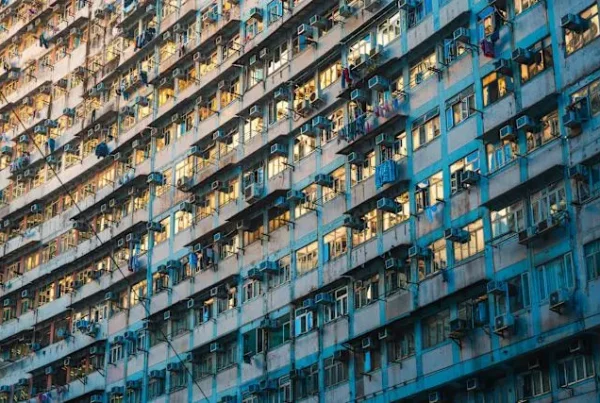
Hong Kong experiences frequent window frame water seepage, damp walls, and even indoor mold growth among many residential owners after each typhoon season. According to statistics from the Hong Kong Buildings Department, window water seepage is one of the most common building maintenance complaints in Hong Kong residential properties, accounting for over 30% of all seepage-related complaint cases. The root causes often lie not in the typhoon itself, but in prolonged lack of maintenance on aluminum windows, aging sealant, and insufficient owner awareness of aluminum window waterproofing works. This article, written from the perspective of EJW Window Safety’s engineering team, provides a practical and comprehensive guide for Hong Kong residential owners, covering seepage causes, treatment methods, and preventive measures.
Table of Contents
- Key Takeaways
- Main Causes of Aluminum Window Seepage
- How to Identify Seepage Locations
- Waterproofing Treatment Methods
- Comparison of Different Waterproofing Solutions
- Preventive Measures for Aluminum Window Waterproofing
- Relationship Between Mandatory Window Inspection and Waterproofing Works
- Frequently Asked Questions
Key Takeaways
| Key Insight | Explanation |
|---|---|
| Aging Sealant is the Primary Cause | Most aluminum window seepage cases in Hong Kong result from aging and cracking of silicone sealant around window frames, rather than structural damage to the windows themselves. |
| Immediate Post-Typhoon Inspection Required | Strong winds and driving rain after typhoons accelerate sealant degradation. Professional visual inspection is recommended after each No. 8 Signal. |
| Direct Application Over Old Sealant is Ineffective | A common mistake by owners is applying new sealant directly over old material. The correct procedure is to completely remove old sealant before reapplication. |
| Waterproofing Works Do Not Equal Full Window Replacement | Most seepage issues can be resolved through localized sealant replacement and targeted waterproof repairs, without the need for full window replacement, saving significant costs. |
| Mandatory Window Inspection Includes Waterproof Assessment | Under the Buildings Ordinance (Cap. 123), residential buildings over 10 years old require periodic mandatory window inspections, with waterproof condition being a key evaluation focus. |
| Choice of Sealant Directly Affects Longevity | Professional-grade neutral silicone can last 8 to 10 years, while cheap acidic silicone often cracks within 3 years in Hong Kong’s humid environment. |
| Neglecting Seepage Leads to Structural Issues | Untreated window leakage over time causes rebar corrosion and concrete spalling in walls, with repair costs far exceeding early-stage waterproofing expenses. |
Main Causes of Aluminum Window Seepage
In practical engineering experience, the causes of aluminum window seepage are never singular. Hong Kong’s unique subtropical climate, combined with the architectural characteristics of high-density residential buildings, creates an extremely demanding environment for window sealing systems. The following causes frequently appear in engineering assessments.
Aging and Cracking of Sealant (Silicone)
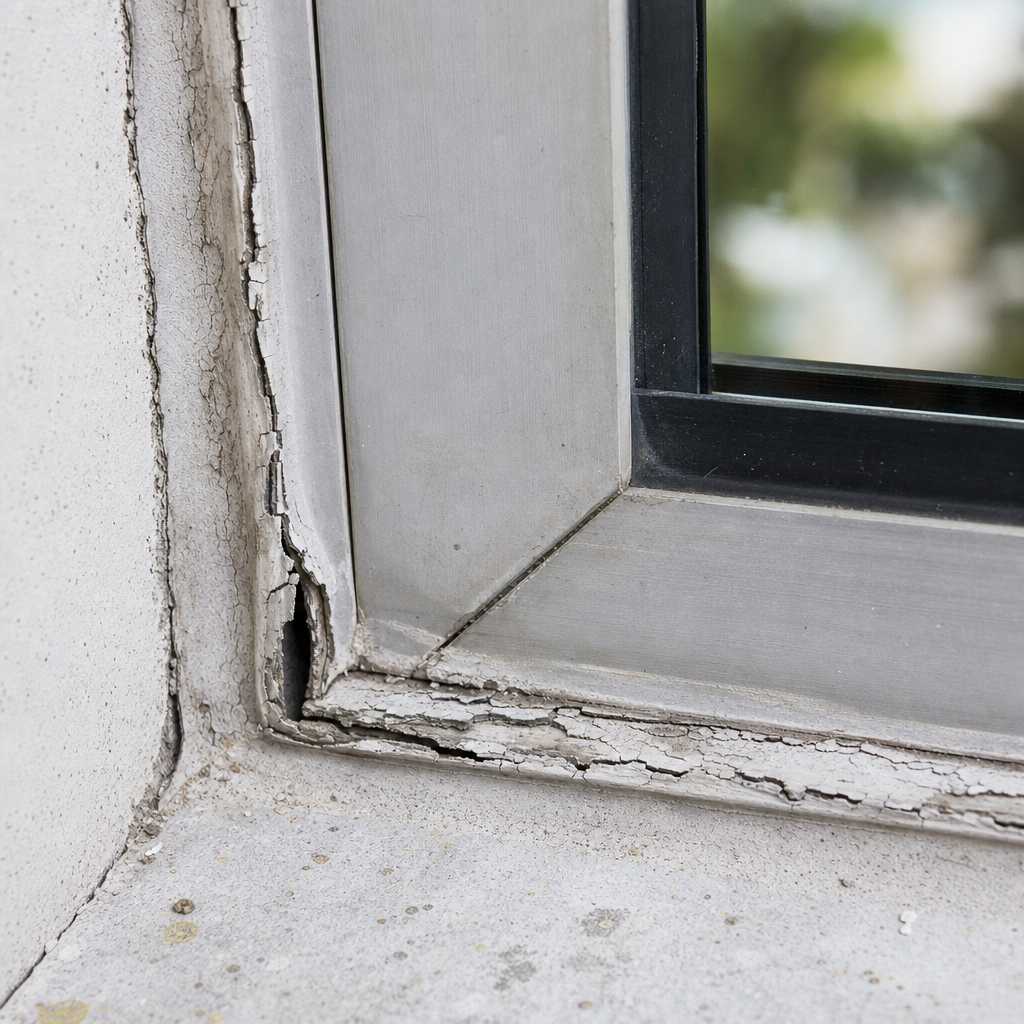
Aging sealant is the most common root cause of aluminum window seepage cases in Hong Kong, accounting for over 60% of projects handled by EJW Window Safety. Under prolonged exposure to ultraviolet rays, thermal expansion and contraction, and humidity fluctuations, silicone sealant gradually loses elasticity, develops cracks, or even detaches completely. The four corner joints of window frames are the most vulnerable positions, as they are stress concentration points where sealant easily separates from the frame.
It is worth noting that sealant problems often remain unnoticed before typhoons arrive. Only when strong winds combine with heavy rain to create sustained water pressure do small cracks become evident. By the time owners notice indoor seepage and take action, the problem has already deteriorated.
Joint Issues Between Window Frame and Wall
The joint between the aluminum window frame and the building’s external wall is another high-risk seepage area. If waterproofing at this location was inadequate during installation or shifts occur after years of vibration, capillary action allows rainwater to penetrate into the wall interior. This type of seepage often manifests as damp walls rather than direct dripping, making it harder for owners to detect.
In some older residential buildings, window frames were installed with cement filling instead of elastic sealing materials. Cement develops shrinkage cracks over many years, significantly reducing waterproof performance. Such cases require thorough joint reconstruction rather than simple patching.
Wear and Tear of Window Hardware
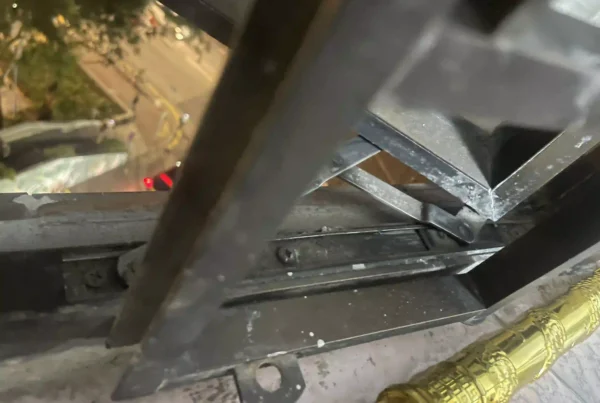
Deterioration of window locks, hinges, and corner accessories can also cause seepage. When window sashes fail to close completely or gaps remain between the sash and frame after closure, rainwater can enter indoors directly. This problem is particularly common in aluminum windows that have been in use for many years, especially those installed on high floors and exposed to strong winds for long periods.

Damage to External Wall Plastering and Waterproof Layer
In some seepage cases, the root cause lies not in the window itself but in cracks or detachment of plastering on the external wall above the window, allowing rainwater to flow into the top of the window frame. These situations require simultaneous external wall repair and window waterproofing; addressing only one will not fully resolve the problem.
How to Identify Seepage Locations
Accurate identification of seepage locations is the prerequisite for effective repair. Many owners report that even when they know the windows are leaking, they cannot determine the exact location of the problem, resulting in expenditure without solving the root issue. The following are methods used by professional engineers during on-site assessments.
Visual Inspection Method
On dry days, carefully examine the condition of sealant around all sides of the window frame. Aged silicone often appears yellowish or black (moldy), with fine surface cracks. When lightly pressed by hand, the sealant feels non-elastic. Gaps or cracks at the joint between the window frame and wall also indicate seepage risk.
Simultaneously inspect interior walls, paying special attention to water stains or bubbling wallpaper below the windowsill and on both sides of the window frame. These marks help determine the general direction and severity of seepage.
Water Spray Test
The water spray test is the most direct method used by professional engineers to confirm seepage locations. Using a showerhead or hose to simulate rainfall, start from the top of the window and move downward while observing indoors for the exact position and timing of seepage. This method effectively distinguishes whether leakage originates from the top, sides, or bottom of the window frame.
Note that the water spray test must be conducted with someone inside observing, and the precise seepage locations should be recorded. When owners perform the test themselves, absorbent materials should be placed on the floor to protect against secondary damage.
Thermal Imaging Inspection
For more complex seepage cases, professional companies use thermal imaging devices to detect moisture ranges within walls. This method is particularly suitable for suspected large-area hidden seepage where no obvious external signs are visible. EJW Window Safety provides computer-generated inspection reports when handling complex cases, allowing owners to clearly understand the actual extent of the problem.
Waterproofing Treatment Methods
After identifying seepage locations, selecting the appropriate repair method is equally important. Waterproofing works are not one-size-fits-all; different seepage causes require different treatment approaches. The main methods, ordered from mild to severe according to severity, are introduced below.
Sealant Replacement (Most Common Solution)
For seepage caused by aging sealant, the treatment steps are as follows. First, use specialized tools to completely remove old silicone, including residues invisible to the naked eye. Then clean and dry the joint areas thoroughly to ensure the substrate is free of grease and dust. Finally, apply professional-grade neutral silicone suitable for aluminum frame materials, filling evenly and smoothing the surface.
A common mistake is skipping the old sealant removal step and applying new sealant directly on the surface. New sealant cannot bond properly with the old layer and will crack and detach again within months, resulting in rework with compromised effectiveness. Professional engineers never take this shortcut.
Reconstruction of Joint Between Window Frame and Wall
When significant gaps exist at the joint between the window frame and external wall or when original cement filling has cracked severely, joint reconstruction works are required. The works include removing old filling materials, reapplying elastic joint sealant, and covering with waterproof silicone on the outer layer. Such works need to be performed from outside, and high-floor units may require gondolas or scaffolding, resulting in relatively higher costs.
Waterproof Coating Reinforcement
For windowsills and bottom areas of window frames prone to water accumulation, waterproof coating can be applied as an additional protective layer after sealant repair. Common materials include elastic waterproof coatings and asphalt-based waterproof coatings, suitable for different substrates and usage environments. Waterproof coatings must be applied on completely dry substrates, requiring appropriate timing under Hong Kong’s humid weather conditions.
Replacement of Aluminum Window Components
When window hinges, locks, or frame profiles themselves are damaged, causing window sashes to fail to close properly, relevant components need to be replaced. EJW Window Safety provides aluminum window component replacement services that can resolve seepage caused by accessory wear without full window replacement, saving owners unnecessary expenses.
Tip: Before carrying out sealant replacement works, it is recommended to choose construction timing during at least three consecutive days without rainfall. Silicone requires at least 24 to 48 hours to fully cure. If rain occurs during the construction period, the curing process will be affected, impacting the final waterproof performance.

Comparison of Different Waterproofing Solutions
When facing window leakage problems, owners usually have three choices: DIY repair, hiring general renovation workers, or engaging professional aluminum window waterproofing companies. The table below compares the actual effectiveness of these three options across several key dimensions.
| Evaluation Dimension | DIY Repair | General Renovation Workers | Professional Aluminum Window Waterproofing Company (e.g. EJW Window Safety) |
|---|---|---|---|
| Immediate Cost | Lowest (material cost approx. HKD 100–300) | Moderate (depends on scope of works) | Higher (includes professional assessment and warranty) |
| Root Cause Identification | Difficult to determine accurately | Varies greatly depending on worker experience | Uses systematic assessment methods with high accuracy |
| Material Selection | Consumer-grade silicone of varying quality | General building materials, may not be suitable for aluminum windows | Professional-grade neutral silicone tailored for aluminum frame materials |
| Durability | Usually recurs after six months to one year | One to three years | Five to ten years (using quality materials and correct procedures) |
| Documentation | None | Usually no formal records | Computer-generated inspection reports suitable for mandatory inspection filing |
| Suitable Situations | Minor surface cracks, non-structural issues | General maintenance needs | Complex seepage cases and mandatory inspection-related works |
From a long-term cost perspective, choosing a professional aluminum window waterproofing company often results in lower overall expenses than repeated DIY repairs or hiring general workers followed by rework. A poorly handled seepage problem, if it leads to structural wall damage, can result in repair costs five times or more than the original waterproofing works.
“The most common mistake among Hong Kong owners is waiting until seepage problems cause neighbor complaints or structural cracks in walls before taking action. The golden rule of waterproofing works is: early detection and early treatment, using minor repairs to avoid large-scale projects.” — Opinion from experienced practitioners in the Hong Kong aluminum window engineering industry.
Preventive Measures for Aluminum Window Waterproofing
Under Hong Kong’s climatic conditions, aluminum window waterproofing is not a “one-time and for all” project but requires ongoing regular maintenance. Based on practical engineering experience, the following preventive measures can effectively extend the service life of aluminum window waterproofing systems and significantly reduce the occurrence of sudden seepage incidents.
Regular Visual Inspections
Owners are advised to conduct basic visual inspections every six months, focusing on the condition of sealant around all four sides of the window frame. If yellowing, cracking, or partial detachment of sealant is found, repairs should be arranged promptly rather than waiting for the problem to worsen. The best inspection timing is before and after the typhoon season (May to November each year).
Special attention should be paid to window frame corners and windowsill water accumulation areas during inspection. These two positions are where sealant problems appear earliest and are most easily overlooked.
Keep Window Frame Drainage Holes Clear
Blocked drainage holes are another common but easily preventable cause of aluminum window leakage in Hong Kong. Drainage holes are provided at the bottom of aluminum window frames to drain rainwater accumulated in the window tracks. When blocked by dust, dirt, or paint, accumulated water seeps indoors from the inner side of the frame.
Regularly clearing drainage holes with a toothpick or thin wire to ensure free drainage is one of the simplest yet most effective preventive measures for aluminum window waterproofing. This step takes only a few minutes but can avoid many unnecessary seepage problems.
Pre-Typhoon Preventive Checks
Before any strong typhoon warning signal takes effect, ensure all windows are fully closed and locked, and check whether sealant has obvious damage. For windows with known minor issues, waterproof tape can be used as a temporary measure in emergencies, with formal repair works arranged after the typhoon passes.
Tip: Aluminum window sealant in Hong Kong residential units is generally recommended for complete replacement every five to eight years, even if it appears intact externally. As years pass, sealant elasticity gradually decreases. During typhoon season, aged sealant is far more prone to failure under strong wind and rain pressure than its appearance suggests.
Avoid Prolonged Water Accumulation on Windowsills
Poor external windowsill design or insufficient slope can cause rainwater to accumulate on the windowsill for long periods, exerting continuous pressure on sealant. If water accumulation is found on external windowsills, consider re-profiling the drainage slope or applying waterproof coating on the windowsill surface to fundamentally improve drainage conditions.
Relationship Between Mandatory Window Inspection and Waterproofing Works
Many Hong Kong owners are unaware that the Mandatory Window Inspection Scheme has a direct relationship with aluminum window waterproofing works. Under the Buildings Ordinance (Cap. 123), the Buildings Department requires owners of private residential buildings over 10 years old to periodically engage qualified persons to conduct safety inspections on external windows. Waterproof condition is an important component of the inspection assessment.
In the inspection report, if aging sealant, damaged joints between window frame and wall, or other issues that may cause seepage are found, owners must carry out the recommended repair works according to the qualified person’s advice in order to pass the inspection requirements. This means waterproofing works are not merely an optional choice for owners but, in certain cases, a statutory requirement that must be completed.
Supported by its parent company Easy Job Solution Engineering Limited, EJW Window Safety employs personnel holding Buildings Department-recognized qualifications to provide inspection services that comply with statutory requirements and corresponding waterproof repair works. Upon completion of works, the company provides computer-generated inspection reports for owners and property management companies to keep on file for future government enquiries.
If owners arrange both mandatory inspection and waterproofing works together, it not only ensures compliance but also saves administrative time and mobilization costs compared to separate appointments. Particularly for owners’ corporations of large residential buildings, coordinating building-wide inspection and waterproofing works often yields more competitive quotations.

Once the Buildings Department issues a mandatory window inspection notice, owners must complete the inspection and repair works within the stipulated period. Otherwise, they may face costs of government-executed works and related penalties. Arranging inspection proactively before receiving the notice allows owners ample time to select suitable engineering companies and negotiate reasonable prices, rather than making rushed decisions under pressure.
Frequently Asked Questions
How much does aluminum window waterproofing approximately cost?
Costs vary depending on the severity of seepage, number of windows to be treated, and type of works. Sealant replacement for a general unit generally ranges from several hundred to several thousand Hong Kong dollars. Works involving window frame joint reconstruction or external wall waterproof repairs are relatively more expensive. Owners are advised to engage qualified companies for on-site assessment and obtain detailed quotations before deciding. Do not select solely based on the lowest price.
Must the entire window be replaced if aluminum window seepage occurs?
Not necessarily. Most aluminum window seepage cases can be resolved through sealant replacement, joint repair, or replacement of individual damaged components, without the need for full window replacement. Full window replacement is only considered when the frame profile itself suffers severe deformation, corrosion, or structural damage. Professional engineers will recommend the solution that best serves the owner’s interests after assessment, rather than always recommending full replacement.
Is DIY silicone patching effective?
For very minor surface cracks, DIY patching can serve as a temporary relief measure, but its effectiveness is limited and short-lived. The common problem is that owners fail to thoroughly remove old sealant, resulting in insufficient adhesion of new sealant and re-cracking within months. More importantly, DIY patching cannot address structural problems or deep seepage paths and may sometimes mask the issue, allowing underlying damage to continue worsening and eventually requiring larger-scale repair works.
What should be done if window seepage is discovered after a typhoon?
First, immediately use towels or absorbent materials to handle indoor water accumulation and avoid damage to floors and furniture. Then, after the typhoon passes and weather stabilizes, carefully inspect window frame sealant and joints from outside to inside, taking photos to document the damage. If obvious sealant cracking or detachment is found, contact a professional aluminum window waterproofing company as soon as possible for assessment and repair to prevent recurrence during the next rainfall.
Who bears the cost of waterproofing works if issues are found during mandatory window inspection?
According to Hong Kong regulations, costs for works related to mandatory window inspection are borne by the owners themselves. For common windows of the entire building, costs are paid by the owners’ corporation from building management fees or repair funds. Private windows of individual units are the responsibility of the respective unit owners. Some owners may apply for subsidies through the Building Maintenance Loan Scheme; specific details can be obtained from the Housing Bureau.
How long after waterproofing completion can a water spray test be performed to verify effectiveness?
Silicone sealant generally requires 24 to 72 hours to fully cure, with specific time depending on product specifications and site temperature/humidity conditions during construction. Before the sealant is fully cured, the repaired area should avoid contact with water. After curing is complete, a simple water spray test can be conducted during stable weather to confirm waterproof effectiveness. If any leakage is found, contact the construction company immediately for follow-up. Qualified companies usually provide a certain warranty period for the works.
Have you ever encountered aluminum window seepage problems? Feel free to share your actual experiences below, or tell us the aluminum window waterproofing issues you most want to understand, so that more Hong Kong owners can benefit from this information.
References
- Hong Kong Buildings Department Official Website: Mandatory Window Inspection Scheme and Buildings Ordinance related provisions
- Hong Kong Housing Authority: Residential building maintenance guidelines and subsidy scheme information
- Hong Kong Civil Engineering and Development Department: Technical references for building waterproofing and external wall repair standards
- Hong Kong Electrical and Mechanical Services Department: Technical guidelines on building equipment and window safety maintenance
- Hong Kong Food and Environmental Hygiene Department: Guidelines on handling and investigation procedures for building seepage complaints