Many residential buildings in Hong Kong have aluminum windows that are over twenty years old, and aluminum window faults are an issue almost every household has encountered. Problems such as windows that are hard to push, gaps remaining after closing, or window frames vibrating and leaking during typhoons may appear minor on the surface, but they are often signs of structural aging or component wear. According to the Buildings Department’s Mandatory Window Inspection Scheme, private residential buildings over ten years old must undergo regular inspections. Among the cases notified for repair, difficult operation and poor sealing of aluminum windows account for a significant proportion. This article draws on practical maintenance experience to break down the root causes of common faults and provide actionable solutions.
Table of Contents
- Key Takeaways
- Why Old Aluminum Windows Fail Easily
- Main Causes of Difficult Aluminum Window Operation
- Root Causes of Aluminum Windows Not Closing Tightly
- DIY Repairs vs Professional Services: Where to Draw the Line
- Comparison of Three Common Repair Options
- Relationship Between Mandatory Window Inspection and Aluminum Window Repair
- Frequently Asked Questions
Key Takeaways
| Key Insights | Explanation |
|---|---|
| Worn rollers are the most common cause of stiff operation | After years of use, the bottom rollers of aluminum windows wear down, causing the sash to jam or shift. Replacing the rollers often produces immediate results. |
| Frame deformation is harder to resolve than component damage | Building settlement or improper installation can cause window frames to twist. Replacing individual parts alone cannot solve the problem; a full window assessment and replacement may be required. |
| Aged weather strips directly cause poor sealing | When sealing strips harden or fall off, the sash cannot fit tightly against the frame, leaving gaps and allowing wind noise even when closed. |
| Wind hooks and handles are often underestimated | Many residents only focus on pushing and pulling, overlooking loose wind hooks or failed handle springs—these are the most dangerous defects during typhoons. |
| DIY lubrication only provides temporary relief | Spraying WD-40 or applying oil can temporarily improve sliding, but if the root issue is structural, lubrication merely masks the problem. |
| Mandatory inspection notice does not mean full replacement | After receiving a notice from the Buildings Department, many cases can pass inspection by replacing only specific components—no need for complete window removal and reinstallation. |
| Early repair saves more money than delay | Neglecting minor issues accelerates aluminum oxidation and frame deformation, ultimately driving up repair costs significantly. |
Why Old Aluminum Windows Fail Easily
Hong Kong’s climate poses a continuous challenge to aluminum windows. High humidity, salt-laden air, intense summer sunlight, and strong typhoon winds combine to shorten the physical lifespan of aluminum windows far more than most people expect. In practice, an old-style aluminum window installed in the 1990s will almost inevitably develop aluminum window faults after 15 to 20 years without proper maintenance.
Although aluminum alloy itself is corrosion-resistant, aluminum windows are not made of pure aluminum. Components such as rollers, handles, and hinges are often made of steel or zinc alloy and will oxidize and rust when exposed to moist air. Once these small parts begin to corrode, the smooth operation of the window sash is affected, which in turn causes uneven stress on the frame and accelerates overall aging.
Another often-overlooked factor is the lower installation standards of past decades. During the massive residential construction boom in 1990s Hong Kong, some aluminum windows were not securely fixed. Years later, minor building settlement can cause frame tilting. Such structural issues cannot be resolved by lubrication or replacing individual parts; professional assessment is required to determine whether re-fixing or full window replacement is necessary.
Main Causes of Difficult Aluminum Window Operation
Bottom Roller Wear or Derailment
Sliding aluminum windows rely on bottom rollers moving along the track—this is the most problematic area. The roller wheels, made of plastic or steel, wear thin under the constant weight of the sash and may even detach completely from the roller housing. Once the rollers fail, the sash presses directly onto the track, causing friction and requiring significantly more force to operate, resulting in the common difficult aluminum window operation issue.
In actual repair cases, approximately 60% of sliding window operation problems can be traced directly to the rollers. Roller replacement is relatively low-cost and offers one of the best value-for-money repairs. However, different brands and eras of aluminum windows use different roller specifications, so the correct model must be selected for effective installation.
In addition to the rollers themselves, track dust accumulation is another common culprit. Hong Kong’s urban environment produces a lot of dust, which easily collects in track grooves and hinders roller movement. Regular track cleaning is basic preventive maintenance, but if noticeable jamming has already occurred, cleaning alone may have limited effect and roller condition must still be checked.
Window Frame Twisting and Out-of-Square
If the window frame is deformed due to external forces or building settlement, the four corners of the sash cannot align parallel with the frame, resulting in noticeable resistance during operation and even progressive jamming. This issue may not be obvious by visual inspection alone and requires professionals to confirm with a spirit level.
Another common source of frame twisting is fallen external wall plaster pressing against the frame, or loosened fixing screws causing slight frame displacement. This is particularly prevalent in tong lau (tenement buildings) or older estates over twenty years old. Treatment depends on the degree of deformation—minor cases may be re-fixed, while severe ones require full frame replacement.
Handle and Operating Mechanism Failure
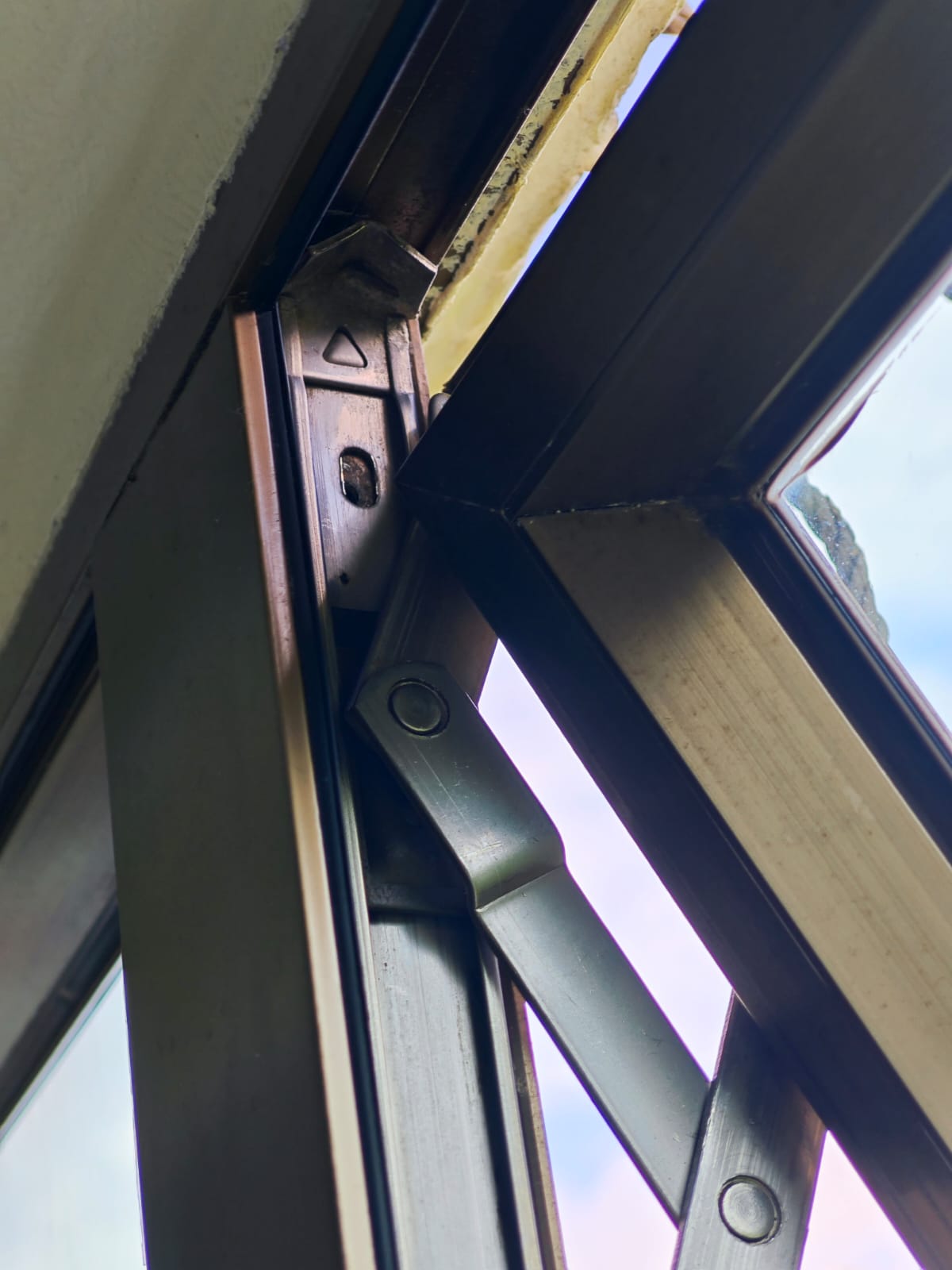
Outward-opening aluminum windows (casement windows) are usually equipped with a handle and linkage rod mechanism to control sash movement. When the transmission gears inside the handle wear out, turning the handle fails to move the sash properly or only moves it halfway before jamming. This fault is very common in kitchen and bathroom windows that have been in use for many years, as these areas experience higher frequency of use and faster mechanism fatigue.
Root Causes of Aluminum Windows Not Closing Tightly
Aged and Hardened Weather Strips
Aluminum window sashes are fitted with rubber or silicone sealing strips around the perimeter to fill gaps between the sash and frame when closed. Under prolonged exposure to sunlight and temperature fluctuations, these strips gradually harden, shrink, crack, or fall off. Once the strips lose elasticity, they cannot create sufficient compression when the window closes, leading to the aluminum windows not closing tightly problem.
Weather strip aging is a gradual process. Many residents only notice it when water leaks appear during rain or noticeable drafts occur during typhoons. Replacing sealing strips is a relatively simple and reasonably priced procedure, making it one of the most worthwhile maintenance items for old aluminum windows.
Note that weather strips come in many specifications with different thicknesses, hardness, and cross-sectional shapes. Using an unsuitable strip may cause the sash to require extra force to close or create new operation issues. It is recommended to have experienced personnel select the correct type rather than purchasing generic versions from hardware stores.
Damaged Wind Hooks and Latches
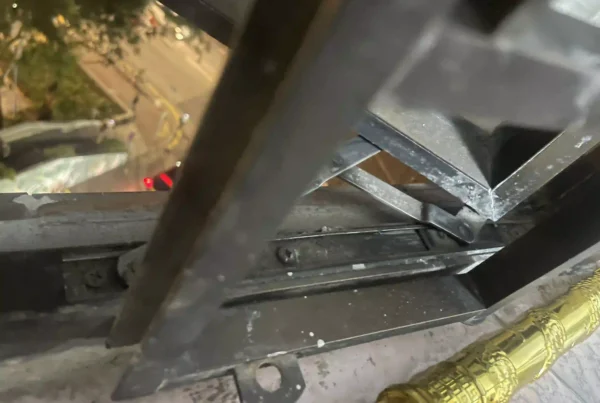
Wind hooks are critical components that secure the sash and prevent it from opening under wind pressure. When the wind hook spring weakens, the hook cannot latch firmly, leaving the sash only loosely closed. This poses a direct safety risk during strong typhoons and must be addressed immediately.
Window latches (catch mechanisms) have similar issues. If the latch spring plate wears or the mechanical parts rust and seize, the latch fails to engage properly even when the sash is pushed closed. Visually the window may appear closed, but it provides no actual securing function.
Sash Drooping Leading to Misalignment
Casement window hinges bear the full weight of the sash. When hinge screws loosen, the sash gradually droops, causing misalignment during closure—one side may have gaps while the other is overly tight. Simply tightening the hinge screws can provide temporary relief, but if the hinge holes have become enlarged, the hinges must be replaced and properly re-fixed.
DIY Repairs vs Professional Services: Where to Draw the Line
Many homeowners’ first reaction to aluminum window problems is to attempt repairs themselves. While this approach is reasonable in some cases, it can cause greater damage or safety risks in others. Clearly distinguishing the boundaries is a practical approach.
Tasks suitable for DIY include cleaning track dust, applying appropriate lubricant to rollers (silicone spray is recommended over WD-40, as the latter attracts more dust over time), and visually checking whether weather strips have detached. These are routine maintenance tasks that do not involve structural work and carry low risk.
Tasks that must be handled by professionals include loose window frame fixing screws, noticeable sash drooping, roller replacement, any signs of overall frame twisting, and any work on high-floor windows. The Buildings Department’s Mandatory Window Inspection Scheme requires repair work to be carried out by authorized persons or registered contractors. Unauthorized DIY disassembly may not only worsen the problem but also violate relevant regulations.
“The safety of aluminum windows is directly related to the lives of occupants and passers-by below. Any suspected structural loosening issues should not be handled through DIY methods.” — Buildings Department Mandatory Window Inspection Scheme Guidelines
Tip: While waiting for professionals, if the sash is noticeably loose, temporarily secure it in the closed position with tape to prevent accidental falling. Do not attempt to remove any fixing screws.
Comparison of Three Common Repair Options
When facing aluminum window faults, owners generally have three choices: partial component replacement, full frame re-fixing and adjustment, or complete window replacement. The table below compares the suitability, relative cost, and effectiveness of each option.
| Repair Option | Applicable Situations | Relative Cost and Effectiveness |
|---|---|---|
| Partial Component Replacement (rollers, weather strips, handles, etc.) | Frame structure is intact, faults are limited to replaceable parts; younger buildings or frames without obvious deformation | Lowest cost and fast results; however, if the frame is already aged, it only treats symptoms and problems may recur soon |
| Re-fixing and Alignment of Window Frame | Loose fixing screws, minor displacement, or tilting caused by external wall plaster issues; components themselves are still usable | Moderate cost and can effectively resolve operation issues caused by frame shift; external wall repair may be needed for a permanent solution |
| Complete Window Replacement | Severe frame deformation or serious aluminum oxidation/corrosion; buildings over 25 years old; windows with repeated repairs | Highest cost but resolves all hidden issues at once; new windows start a fresh service life and offer better long-term economic value |
Tip: Before deciding on a repair option, request a written assessment report from the contractor detailing the reasons and estimated costs for each recommended repair. Professional aluminum window companies (such as EJW) will not include unnecessary items in their reports; charges should be based on actual needs.
Relationship Between Mandatory Window Inspection and Aluminum Window Repair
Under the Buildings Ordinance (Cap. 123), the Buildings Department regularly issues mandatory window inspection notices to private residential buildings aged ten years or above, requiring owners to appoint authorized persons to inspect all windows. This scheme was established because window fall accidents occur in Hong Kong every year, and old aluminum window problems directly affect public safety.
Many owners feel anxious upon receiving an inspection notice, worrying about high costs or being forced to replace all windows. In reality, the purpose of the inspection is to identify defects requiring repair, not to mandate replacement of all windows. If issues are limited to worn rollers or aged weather strips, replacing those components is usually sufficient. Full replacement is only required when structural defects cannot be resolved through localized repairs.
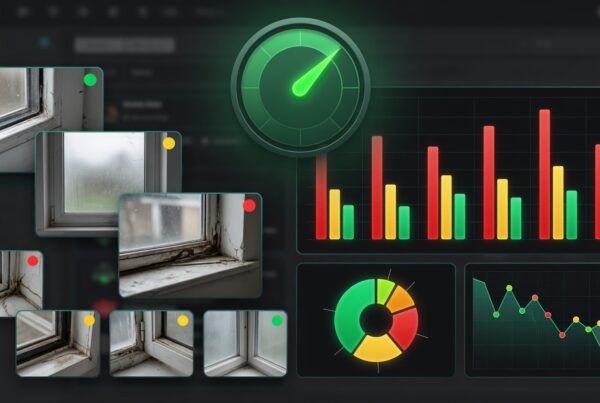
EJW adopts a computerized inspection reporting system, with detailed records for every window. Owners can clearly understand which windows require what level of repair and the corresponding cost analysis. This transparent approach effectively avoids unnecessary expenditure while ensuring all work complies with Buildings Department requirements.
It is important to note that there is a specified deadline for completing works after receiving a notice. Failure to comply may result in fines or the Department arranging repairs and recovering costs. Owners should contact licensed contractors as soon as possible after receiving the notice to arrange inspection and repairs promptly, avoiding additional legal and financial risks caused by delay.
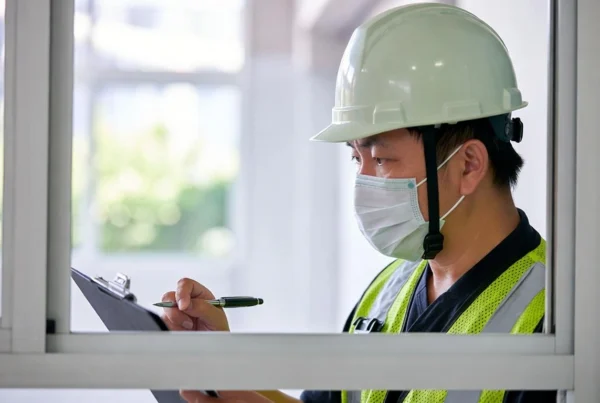
When selecting an inspection and repair company, confirm that the work is led by Buildings Department authorized persons and request detailed written reports. EJW’s inspections are conducted by qualified engineering personnel, with computer-generated reports providing clear records of every defect.
Frequently Asked Questions
Do aluminum windows with difficult operation necessarily require full sash replacement?
Not necessarily. Most stiff operation problems stem from worn rollers, track dust, or failed handle mechanisms. Replacing the relevant parts can often resolve the issue. Full replacement should only be considered if the frame itself is severely twisted or the aluminum is badly corroded. It is advisable to have a professional assessment first to confirm the root cause before deciding on the repair plan.
Why is there still wind noise or gaps after the aluminum window is closed?
The most common reason is aged, hardened, or detached weather strips, which prevent the sash from fitting tightly against the frame. Other causes include failed wind hooks or latches that do not lock the sash properly. In addition, frame deformation due to minor building settlement can cause uneven contact pressure and localized gaps. Solutions vary according to the cause; professional on-site inspection is recommended.
Can spraying WD-40 solve difficult aluminum window operation?
WD-40 can provide short-term improvement in sliding, but it is essentially a solvent and water displacer rather than a long-lasting lubricant. While it works immediately, after evaporation it attracts more dust to the track, causing the problem to return within weeks. Silicone spray lubricant is recommended instead, as it lasts longer and does not attract dust easily. However, if the root cause is damaged rollers, any lubricant is only a temporary measure.
After receiving a Buildings Department mandatory window inspection notice, must all aluminum windows be replaced?
No. The purpose of mandatory inspection is to identify windows with safety risks and carry out targeted repairs, not to require blanket replacement of all windows. Windows in good condition after inspection only need to be recorded in the report. Repairs should be based on actual defects. Do not trust contractors who claim “everything must be replaced”—always request a detailed written assessment report before deciding.
Can aluminum window weather strips be replaced by the owner?
Technically, simple weather strip replacement is not complicated, and some capable homeowners can do it themselves. However, selecting the correct specification is critical—wrong types can cause the sash to close too tightly or leave gaps. Additionally, work on high-floor windows or external strips that require opening the sash halfway carries fall risks and must be performed by professionals. Owners should not attempt it themselves.
After approximately how many years of use should old aluminum windows be considered for full replacement?
Under normal use and regular maintenance, aluminum windows in Hong Kong generally last 20 to 25 years. Beyond this age, even if individual parts still function, the overall strength and sealing performance of the aluminum material decline significantly, reducing the cost-effectiveness of localized repairs. If a window has required multiple repairs within three to five years, full replacement is generally recommended for better long-term economy.
References
- Buildings Department Official Website: Mandatory Window Inspection Scheme and Buildings Ordinance Provisions
- Construction Structural Engineering Institute: Technical Standards for Aluminum Windows and External Wall Maintenance
- Consumer Council: Guidelines and Notes on Choosing Window Repair and Replacement Services
- Hong Kong Institute of Architects: Professional Standards and Best Practices for Residential External Wall and Window Inspection