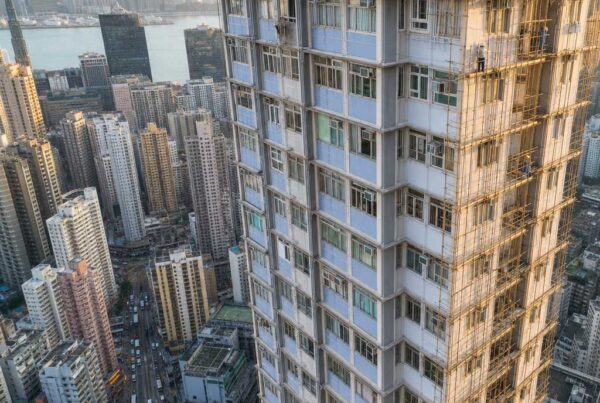
Hong Kong is located in a typhoon-prone region, where residential aluminum window systems face severe challenges from strong winds, heavy rain erosion, and sea salt corrosion over the long term. Generally, the average service life of residential aluminum windows is approximately 15 to 20 years. However, due to the high-temperature and humid climate, combined with natural building settlement, many units begin to experience various noticeable issues after about 10 years of use, such as water seepage, difficult operation, loose window hinges, and glass hazards.
With the continuous implementation of the Buildings Department’s Mandatory Window Inspection Scheme, a large number of owners across Hong Kong need to arrange regular window inspections and repairs. However, many people lack sufficient understanding of the causes of common aluminum window faults and the correct handling methods. Delaying treatment often leads to the expansion of damage, which not only increases repair costs but may also cause safety accidents.
This article approaches the topic from practical engineering and daily maintenance perspectives, providing a detailed breakdown of common aluminum window problems while incorporating essential glass protection knowledge for the typhoon season. It helps homeowners fully master prevention and response strategies. Taking appropriate measures early can not only effectively extend the lifespan of aluminum windows but also significantly reduce household risks during typhoons.
Core Insights at a Glance
| Key Insight | Practical Explanation |
|---|---|
| Glass Breakage Risk | Strong winds carrying flying debris impact the glass, combined with rapid changes in air pressure, which are the main causes of glass shattering. Shattered glass flying indoors can easily cause injuries or fatalities. |
| Importance of Sealing Strips | Aged rubber sealing strips are a common root cause of water seepage and loose glass. Regular inspection and replacement can significantly reduce the risk of breakage during typhoons. |
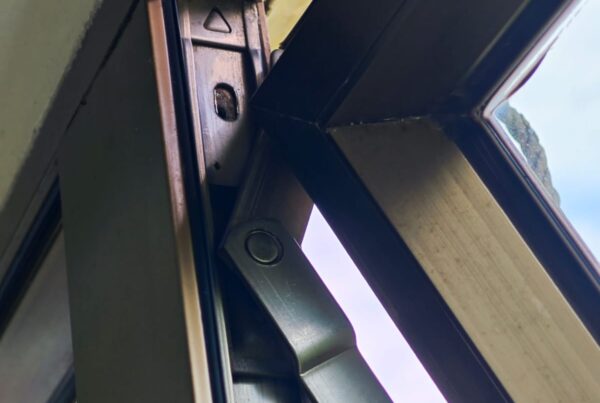
| Window Hinges and Wind-Resistant Devices | Loose or ineffective window hinges and wind latches are highly prone to failure under strong winds and must be addressed promptly to ensure safety. |
| Repair Strategy Selection | When the window frame structure is intact, prioritize replacing individual parts to save 50% to 70% in costs. Consider full window replacement only in severe cases. |
| Pre- and Post-Typhoon Inspection | This period is the best time for maintenance. Early detection of cracks or loose components can prevent minor issues from turning into major disasters. |
| Window Inspection and Legal Responsibilities | Units over 10 years old must undergo mandatory inspection every 5 years. Owners are required to engage qualified persons for the process. |
Glass Safety Protection: Hidden Dangers During Typhoons
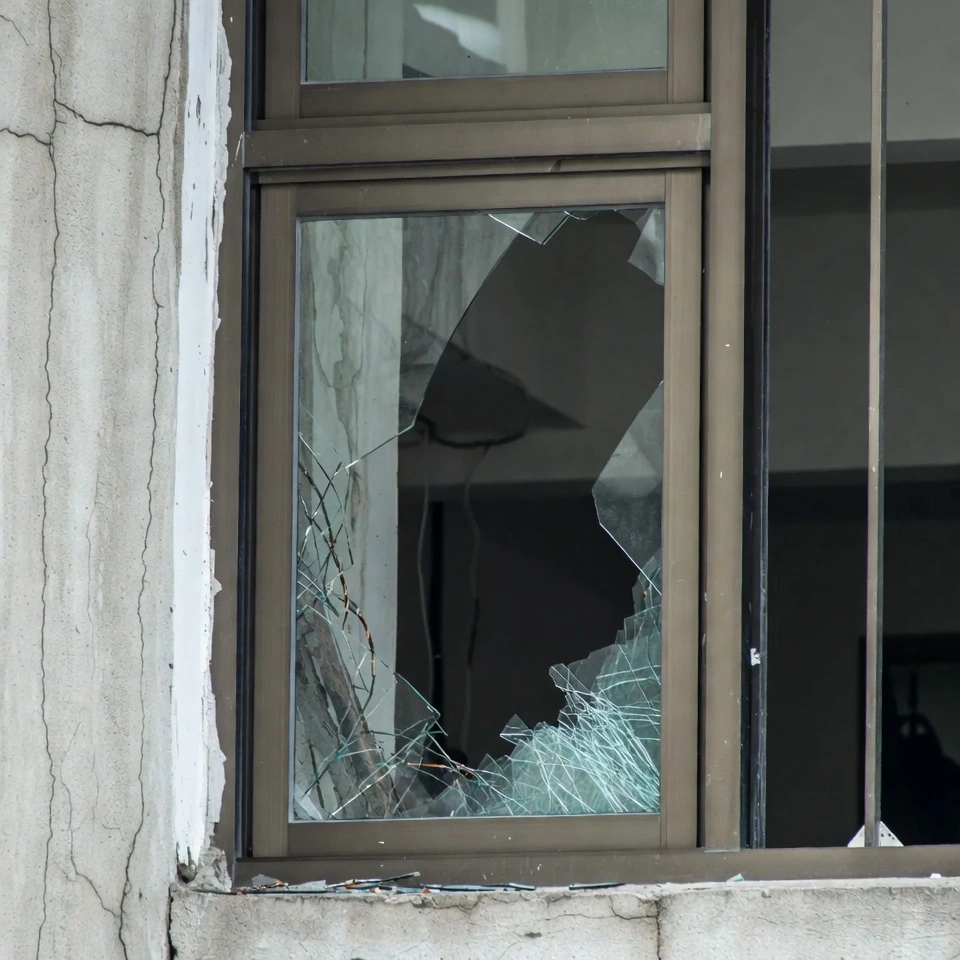
During typhoon strikes, strong winds whip up debris such as wooden boards, iron rods, and advertising sign fragments, impacting window glass at extremely high speeds. At the same time, rapid changes in indoor and outdoor air pressure significantly increase the chance of glass breakage. Flying shattered glass indoors has become one of the main causes of household casualties during typhoons. Even if the glass has not fully broken, small cracks appearing afterward are equally dangerous, as they may suddenly shatter completely under the next strong wind or significant temperature difference, with unthinkable consequences.
- Regularly inspect the sealing condition around the glass. If oxidation, cracking, or detachment is found, immediately contact a qualified aluminum window contractor for replacement. Good sealing effectively secures the glass and reduces vibration.
- Ensure all windows are fully closed and locked. Check that handles and locking points are secure to prevent loose windows from increasing stress on the glass under strong winds.
- Install wind latches to limit the opening angle of window sashes beyond safe limits, preventing windows from being pulled out of the frame or even falling onto the street.
- Thoroughly clear debris from balconies and window sills, including potted plants, flower racks, and drying racks, to prevent them from becoming “missiles” that strike the glass during a typhoon.
Note: It is not recommended to temporarily apply brown paper or tape in a star pattern on the glass when a typhoon is approaching. Such methods not only fail to effectively improve wind resistance but may even cause the glass to break more easily due to localized stress concentration.
Common Fault 1: Causes and Solutions for Aluminum Window Water Seepage
Water seepage is the most common aluminum window issue in Hong Kong residential units, with complaint cases surging especially after the typhoon season. In more than 60% of cases, the window frame itself is not severely damaged; rather, the problem stems from aged and hardened rubber sealing strips that have lost elasticity, or cracks in silicone joints. Such issues can usually be effectively resolved through localized repairs without the need for immediate full window replacement.
Water seepage locations are mainly divided into three categories: the joint between the window frame and the wall, gaps between the window sash and frame, and backflow of accumulated water on the window sill. When handling, first thoroughly remove old materials, ensure the surface is dry, and then re-seal with construction-grade waterproof silicone. If there are cracks in the external wall plaster, the waterproof layer must be repaired first; otherwise, the problem is likely to recur. For older aluminum window designs without independent sealing strip grooves, long-term upgrading to a new system should be considered.
Common Fault 2: Difficult Operation, Loose Window Hinges, and Part Aging
Daily difficulty in opening and closing often originates from dust accumulation in window tracks, worn rollers, or slight deformation of the window frame. For sliding windows, cleaning the tracks and applying dry silicone lubricant can improve performance. For casement windows, the issue is often related to hinges or handle linkages. Loose window hinges pose a serious safety hazard. According to building regulations, owners have a responsibility to address them immediately; otherwise, public safety may be affected.
Accessories such as wind latches and limiters play a key role during the typhoon season by effectively protecting the hinge system. When replacing parts, be sure to use genuine products with matching specifications. When the window frame structure remains stable, such targeted repairs can save substantial costs.
When Full Window Replacement Is Necessary
When the window frame shows obvious corrosion (white powdery oxide on the surface), structural distortion, or when multiple faults occur simultaneously involving the glass and sealing system, persisting with localized repairs is no longer cost-effective. At this point, full replacement using profiles and reinforced glass that meet current safety standards is more cost-effective and safer. Seaside or high-floor units should pay particular attention to weather-resistant performance.
Emergency Handling Steps for Glass Breakage After a Typhoon
- Immediately stay away from the damaged window to avoid cuts from shattered glass.
- Use thick gloves and a broom for cleanup; do not touch directly with bare hands.
- Temporarily cover and secure the area with thick plastic boards or wooden boards to prevent rainwater from continuing to seep indoors.
- Contact a licensed aluminum window contractor as soon as possible to arrange emergency repairs. Damaged glass must not be left unaddressed for long.
Situations requiring prompt glass replacement include: any cracks (even minor ones), edge chips or missing corners, or loose glass due to detached sealing strips. Cracked glass is like a potential time bomb. After a typhoon, professional personnel must be arranged for a comprehensive on-site assessment and handling.
Repair Cost Reference and Notes
| Repair Type | Approximate Cost Range (HKD per panel) | Applicable Situations |
|---|---|---|
| Partial Part Replacement (Sealing Strips, Rollers, Handles) | $300 – $1,500 | Window frame intact, single component damaged |
| Comprehensive Hinge and Waterproofing Repair | $800 – $3,000 | Loose or water seepage issues |
| Full Window Replacement (Including Glass) | $3,000 – $12,000+ | Severe frame corrosion or multiple faults |
Actual costs will be affected by window size, floor height, and construction difficulty. When selecting a repair company, be sure to verify whether it holds Buildings Department recognized qualifications and request a formal written report to ensure compliance with statutory requirements.
Daily Maintenance and Frequently Asked Questions
It is recommended to conduct a visual inspection every six months, including cleaning window tracks, checking sealing strips, and hinge conditions. In conjunction with the Mandatory Window Inspection Scheme, commissioning professional personnel for a comprehensive inspection every 5 years can effectively extend system lifespan.
Frequently Asked Questions:
- Does water seepage mean the entire window must be replaced? In most cases, only the sealing system needs to be addressed.
- Can window hinge problems be repaired by oneself? This is not recommended. High-altitude work and structural assessment require professional personnel.
- How to verify a company’s qualifications? You can check registration information on the Buildings Department website.
If your home’s aluminum windows have specific issues or you are unsure about maintenance arrangements for the typhoon season, feel free to provide more details. This article serves as a reference, but actual conditions should still be assessed on-site by qualified engineering personnel. Adequate preparation can not only protect the safety of your family but also avoid unnecessary financial losses, making your home more stable and reliable during stormy seasons.