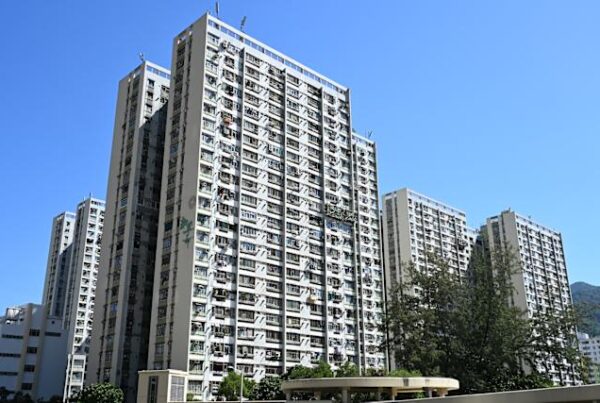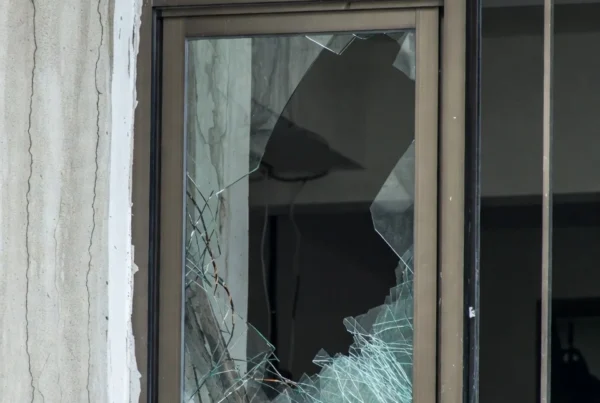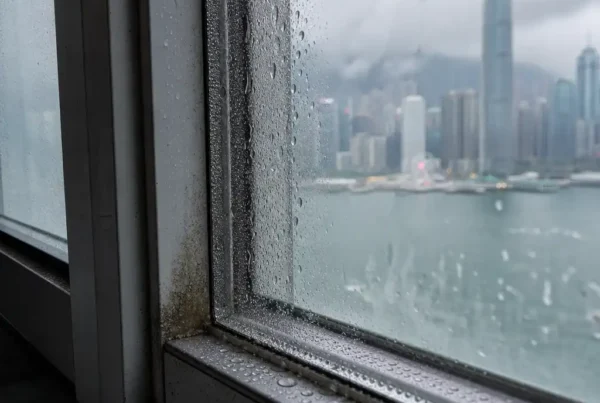
Every year in Hong Kong, window falling accidents occur, ranging from property damage to tragic loss of life. According to statistics from the Buildings Department, window-related accidents rise significantly during typhoon seasons, with most incidents rooted in missing or aged aluminum window safety chains. Many homeowners assume that window hinges and frames are inherently secure, overlooking safety chains and wind latches—two seemingly minor but critical components. This article provides an in-depth explanation of the construction, function, regulatory requirements, and proper selection and maintenance of these components to help Hong Kong residents effectively safeguard their home security.
Table of Contents
- Executive Summary
- What is an Aluminum Window Safety Chain
- What is a Wind Latch
- Common Causes of Wear and Failure
- Comparison: Types of Safety Chains and Wind Latches
- Proper Selection and Installation
- Daily Inspection and Maintenance Points
- Frequently Asked Questions
- References
Executive Summary
| Key Findings | Description |
|---|---|
| Safety chains are not a statutory requirement | Under the Buildings Ordinance (Cap. 123), the Mandatory Window Inspection Scheme (MWIS) does not mandate the installation of safety devices on all outward-opening windows. |
| Wind latches prevent storm damage | Wind latches are crucial during typhoon season, securing the window sash to prevent frame deformation or detachment due to excessive wind pressure. |
| Stainless steel is the most durable material | Compared to galvanized steel or aluminum alloys, 304 stainless steel safety chains offer superior corrosion resistance in Hong Kong’s humid and saline environment. |
| Risks increase with window age | For windows over 10 years old, the load-bearing capacity of safety chains and latches may have significantly declined due to oxidation and metal fatigue; replacement is essential. |
| DIY installation poses significant risks | Fastening screws must be anchored into solid sections of the window frame. Incorrect placement renders the device completely ineffective despite looking installed. |
| MWIS reports do not cover accessory integrity | Standard mandatory inspection reports do not encompass the condition of safety chains or wind latches. |
| Post-typhoon inspections are mandatory | After Typhoon Signal No. 8 or higher, all window accessories must be visually inspected, paying special attention to signs of elongation, deformation, or breakage. |
What is an Aluminum Window Safety Chain
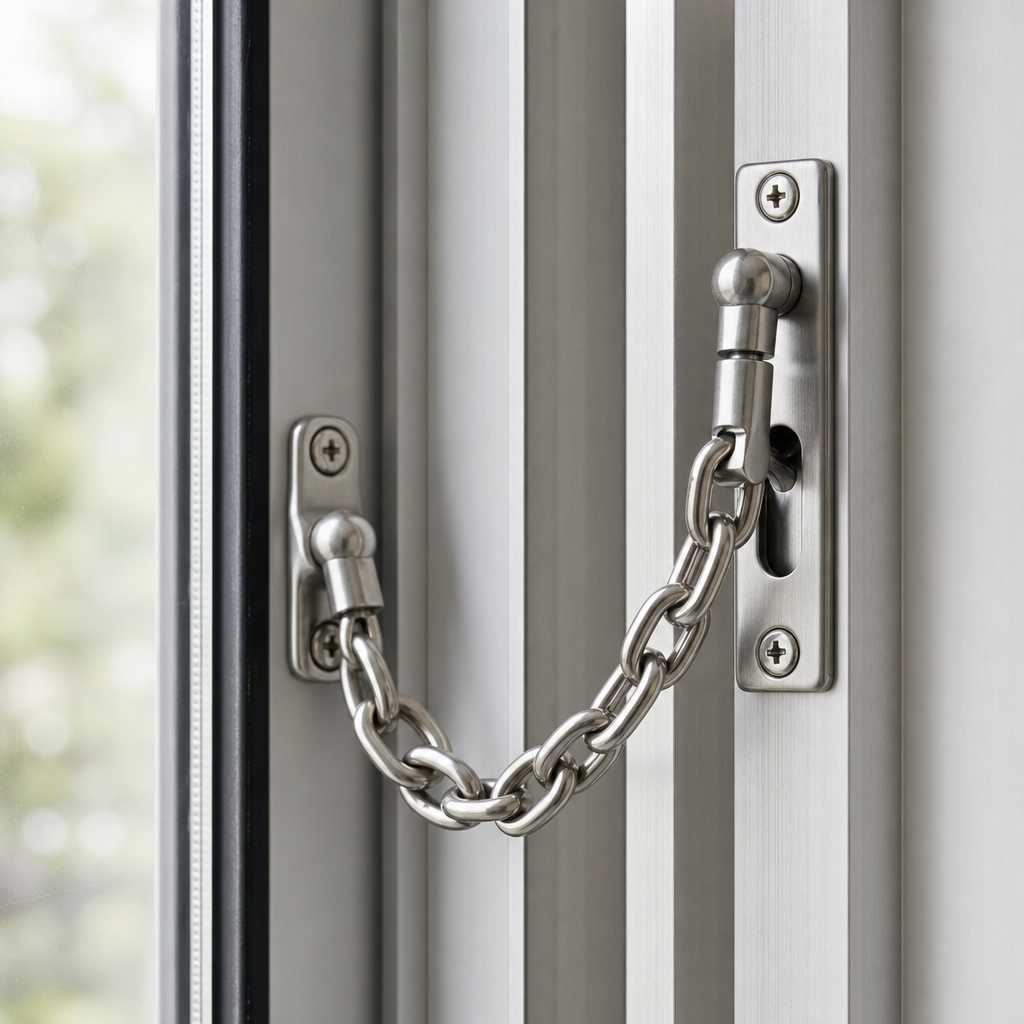
An aluminum window safety chain, also known as a window safety chain or anti-fall chain, is a metallic chain or cable device connecting the window sash to the frame. Its core function is: when hinges fail, screws loosen, or a sash is blown wide open by strong winds, the safety chain bears the full weight and force of the sash, preventing it from falling onto the street and causing injury or property damage.
In engineering practice, a safety chain consists of two fixed ends: one anchored to the solid aluminum profile of the frame, and the other to the corresponding position on the sash. The length must ensure tension when the window is at its maximum safe opening angle. This detail is often overlooked; homeowners often install chains that are too long, rendering the window capable of opening to dangerous angles and negating the protective function.

Material selection directly impacts service life
Hong Kong’s subtropical maritime climate—characterized by high humidity and salt content—corrodes metal components much faster than inland cities. In professional inspections, galvanized steel chains often show significant rust within 5 to 7 years. In contrast, 304 stainless steel chains maintain effective load-bearing capacity for over 10 years, making them the most suitable choice for local conditions.
Tip: Before installing, use a drill to test if the intended screw location is solid aluminum. If screwed into a hollow section, the chain will pull through the wall under load, failing instantly. EJW’s inspection personnel verify structural integrity at every fixed point.
What is a Wind Latch
An aluminum window wind latch (or storm catch) is a mechanical locking device installed at the closing position. Its role is to provide extra mechanical locking force when the window is closed, preventing strong winds from forcing the sash open. During typhoons, where gusts can exceed 180 km/h, standard hinges and window handles may not withstand the impact.
Wind latches function by creating a mechanical biting point between the sash and frame. When wind pressure pushes against the sash, the latch claw locks firmly into the receiver, distributing the wind pressure and reducing the stress on hinges and main locks. Mechanics-wise, it acts as a secondary support point.
Difference between a wind latch and a standard handle lock
Standard handle locks (Cockspur Handle Locks) are designed to prevent unauthorized human access, with limited bite depth and side-impact resistance. Wind latches are engineered specifically for wind pressure; the receiver usually features a thicker plate, and the latch’s claw depth is greater. Together, they provide essential protection during typhoons.
Tip: Before typhoon season, manually test the latch spring. If the claw feels loose or lacks tension, the latch has likely aged and should be replaced immediately.
Common Causes of Wear and Failure
Metal Corrosion and Oxidation
This is the leading cause of failure in Hong Kong. Saline air corrodes galvanized and carbon steel within 3 to 5 years, reducing the metal cross-section and significantly lowering its load-bearing capacity long before it looks severely rusted.
Metal Fatigue and Mechanical Wear
Metal fatigue is cumulative. Everyday opening and closing cycles can result in structural failure. Once the fatigue limit is reached, a chain can snap suddenly. Wind latch springs are particularly susceptible to fatigue; once they lose elasticity, the latch cannot lock securely.
Improper Installation or Loose Screws
Constant vibration from wind impacts can loosen screws over time. Furthermore, poor original installation—such as anchoring to thin-walled profiles—prevents the device from functioning correctly even if it appears intact.
Comparison: Types of Safety Chains and Wind Latches
| Accessory Type | Application and Advantages | Disadvantages and Notes |
|---|---|---|
| 304 Stainless Steel Chain | Excellent corrosion resistance; high load-bearing; 10–15 year lifespan. Industry recommended. | Higher cost; requires installation on solid frame sections; length must be precisely calculated. |
| Steel Cable Safety Rope | Clean aesthetic; good flexibility; resists fatigue. | Outer sheath can trap moisture if aged, accelerating inner core corrosion; requires data verification from suppliers. |
| Integrated Wind Latch | Easy to use; automatic return design reduces risk of forgetting to lock; good for elderly/children. | Spring components are a weak point; check spring tension every 2–3 years. |
Proper Selection and Installation
For a standard Hong Kong residential window (approx. 900mm x 1200mm, weighing 8–12 kg), safety chains should be designed for 3 to 5 times the static load, approximately 25–60 kg.
Correct installation steps:
1. Verify the frame anchor point is solid aluminum.
2. Use stainless steel expansion or self-tapping screws—never standard carbon steel.
3. Precisely measure the chain length based on a 90–110 degree opening angle.
4. Perform a manual load test after installation to ensure the chain reaches tension at full extension.
Recommendation: Always commission qualified aluminum window engineering companies, such as EJW, to ensure proper component selection and professional documentation.
Daily Inspection and Maintenance Points
Homeowners should conduct a window accessory self-inspection every six months, especially before and after typhoon season (May to November).
Safety Chain Checklist: Visually inspect for rust, cracks, or deformation; test tension by pulling manually; verify the tightness of fixed screws; confirm chain length is correct when the window is fully open.
Wind Latch Checklist: Test the spring tension manually; ensure a clear “click” sound when engaged; check receiver screw tightness; observe for latch deformation.
Tip: Use a waterproof paint marker to note the installation date on the accessory mount. This allows for informed decisions regarding preventative replacement during future inspections.
Frequently Asked Questions
How often should safety chains and wind latches be replaced?
Stainless steel chains generally last 10–15 years; galvanized steel needs replacement every 5–7 years. Wind latch springs usually lose effective tension after 5–8 years. Replace immediately if any deformation or damage is found after a typhoon.
Can tenants install or replace these?
No. Window maintenance is typically the landlord’s responsibility. Tenants should report issues to the landlord or management office immediately.
Does a snapped safety chain mean the window will fall?
Not necessarily, but the risk is extremely high. The safety chain is the final line of defense (“redundancy principle”). If hinges also fail or wind pressure exceeds design limits, a missing chain results in a falling window.
Is the safety chain effective after buying a pre-owned property?
Do not assume effectiveness. EJW recommends that new homeowners arrange a comprehensive window inspection within 3 months of move-in.
Will installing a safety chain affect daily usage?
Correctly installed safety chains should not obstruct daily operation; they only engage as a limiter at the maximum opening angle.
References
- Buildings Department: MWIS regulations and owner guidelines.
- Buildings Ordinance (Cap. 123): Statutory window safety provisions.
- Construction Industry Council: Technical standards for aluminum window engineering.
- Hong Kong Housing Society: Building maintenance best practices.
- Consumer Council: Guidelines on purchasing window safety components.